

Osteria Antica in Mandaluyong: Italian Cooking Rooted in Seasonality and Simplicity
Osteria Antica represents the next chapter of Wildflour’s long-standing devotion to Italian cuisine. The restaurant evolved from Wildflour Italian, a concept introduced in 2019 to highlight fresh pasta, quality pizza, and carefully selected ingredients.
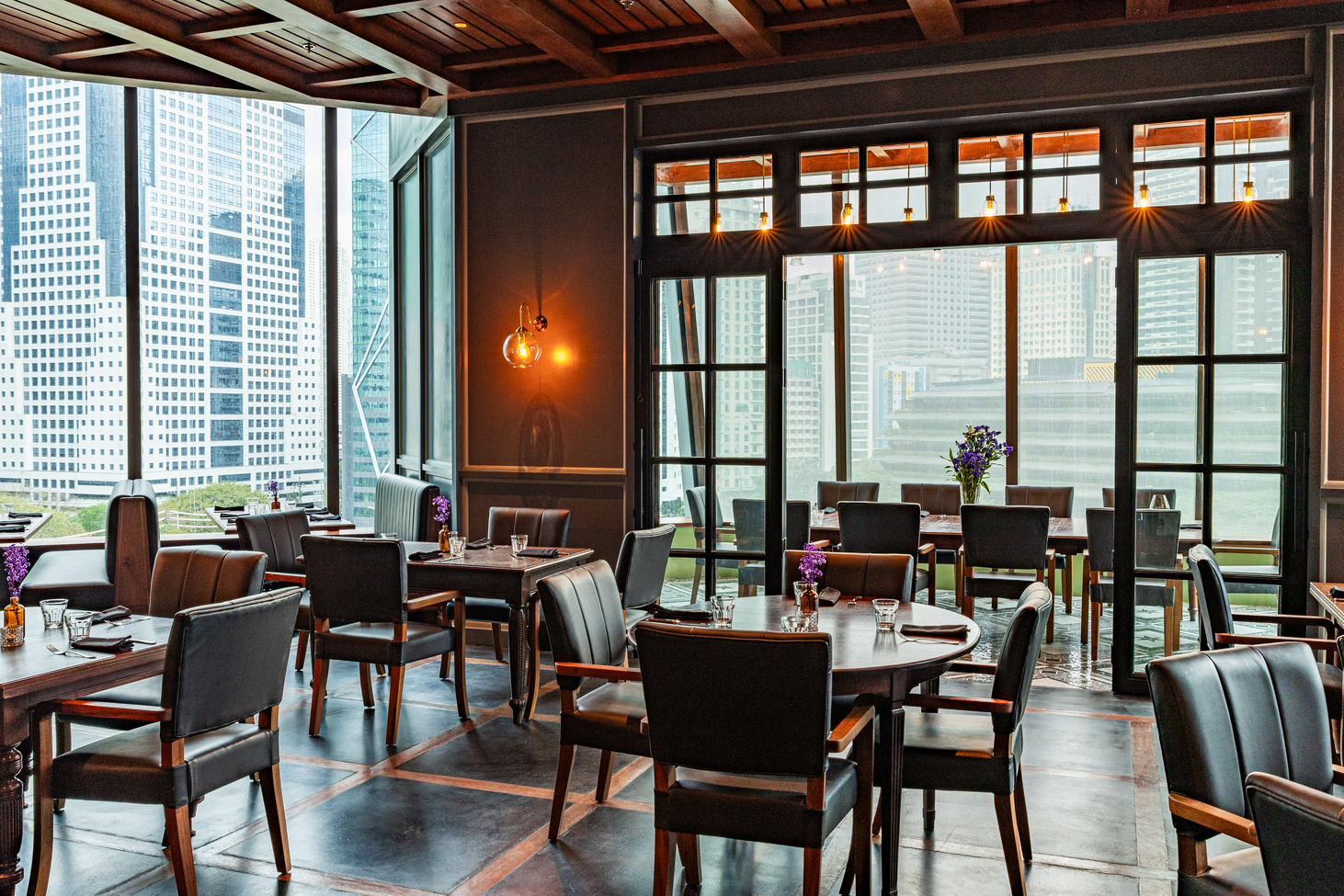 IMAGE from Osteria Antica
When the original Wildflour Italian branch at the Finance Center in BGC closed, the group moved the concept into a larger space, backdropped against the Ortigas skyline, giving its Italian offerings a broader stage.
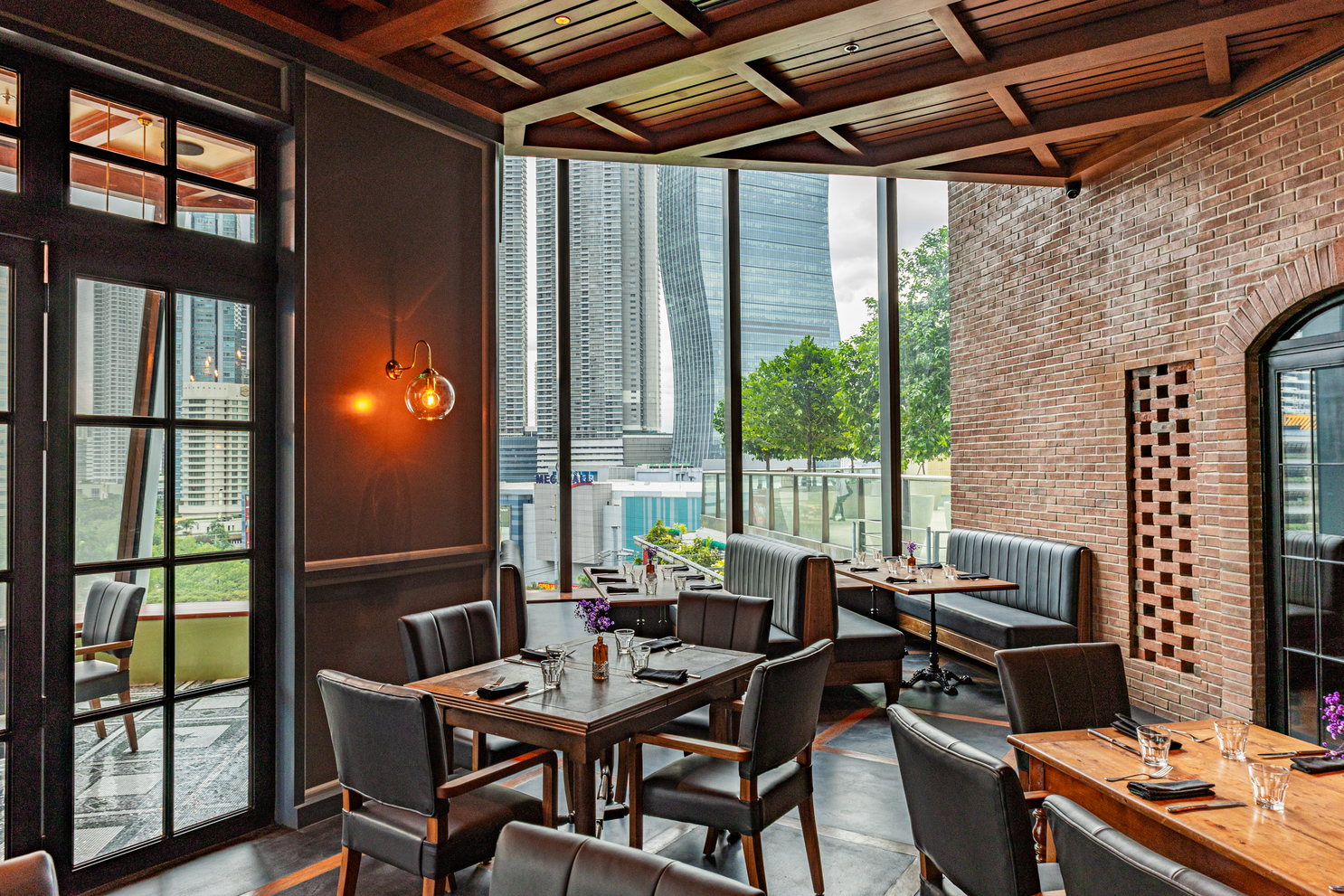 IMAGE from Osteria Antica
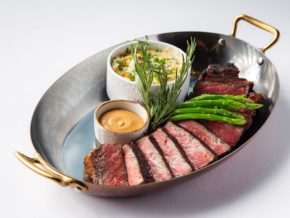
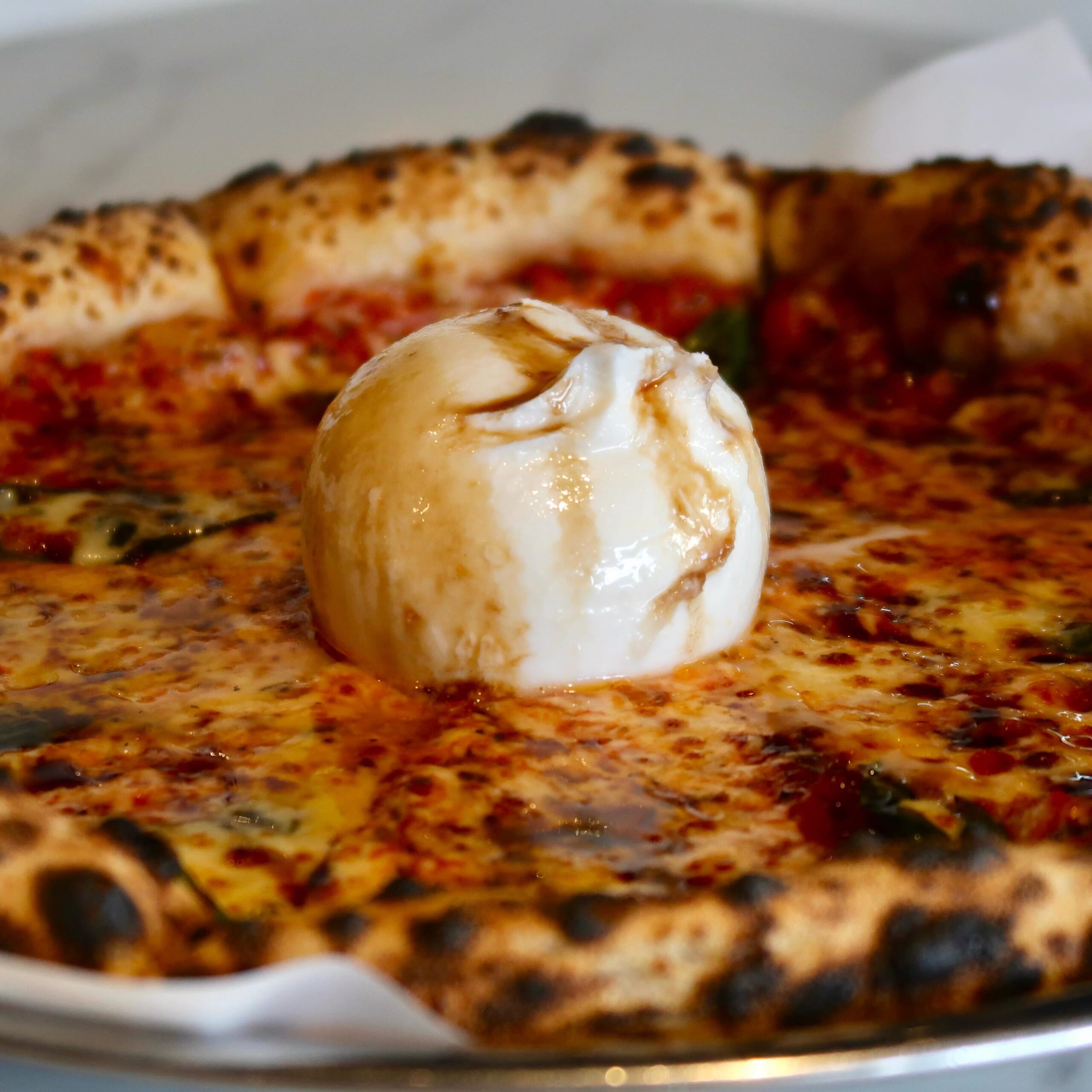
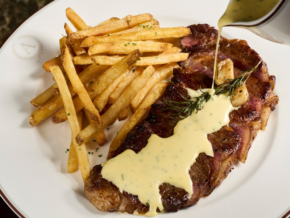
The name “Antica” refers to the old way of doing things, reflecting the restaurant’s traditional and unhurried approach to Italian cooking. Pizza dough is fermented for 54 hours before use, and all pasta is made by hand. The kitchen also dry-ages selected meats before serving them. Its Zabuton is aged for at least two weeks, while its lamb racks are aged for one week.
For Osteria Antica, slow food is not simply a trend or a feature of the menu. It is the foundation of how the kitchen operates.
A Menu Guided by the Seasons
Osteria Antica does not limit itself to the cuisine of one particular Italian region. Instead, its menu is shaped by the quality and availability of produce. Chef Carlo Miguel believes that Italian cooking should place greater importance on ingredients than on complicated techniques.
The kitchen seeks out ingredients at the peak of their season and handles them with as little interference as possible. This approach allows the natural characteristics of each ingredient to remain at the center of a dish.
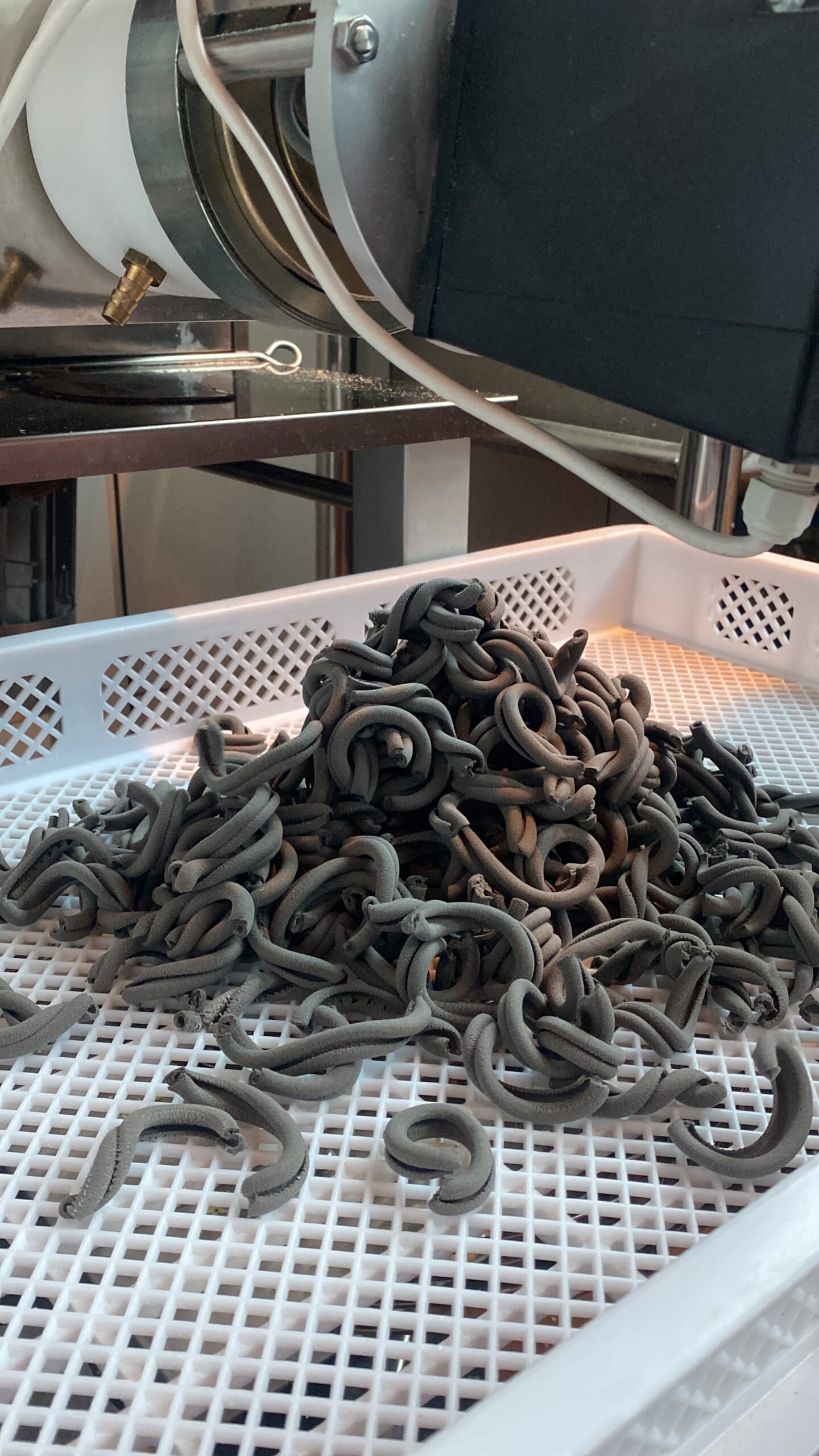 IMAGE from Philippine Primer
Because seasons for fruits and vegetables can be less clearly defined in the Philippines, the restaurant generally follows the North’s seasonal cycle. Its menu is printed daily and may change depending on what ingredients are available.
The kitchen is also working with California peaches, Australian black truffles, French rhubarb and baby artichokes, and locally sourced corn that was at the height of its season.
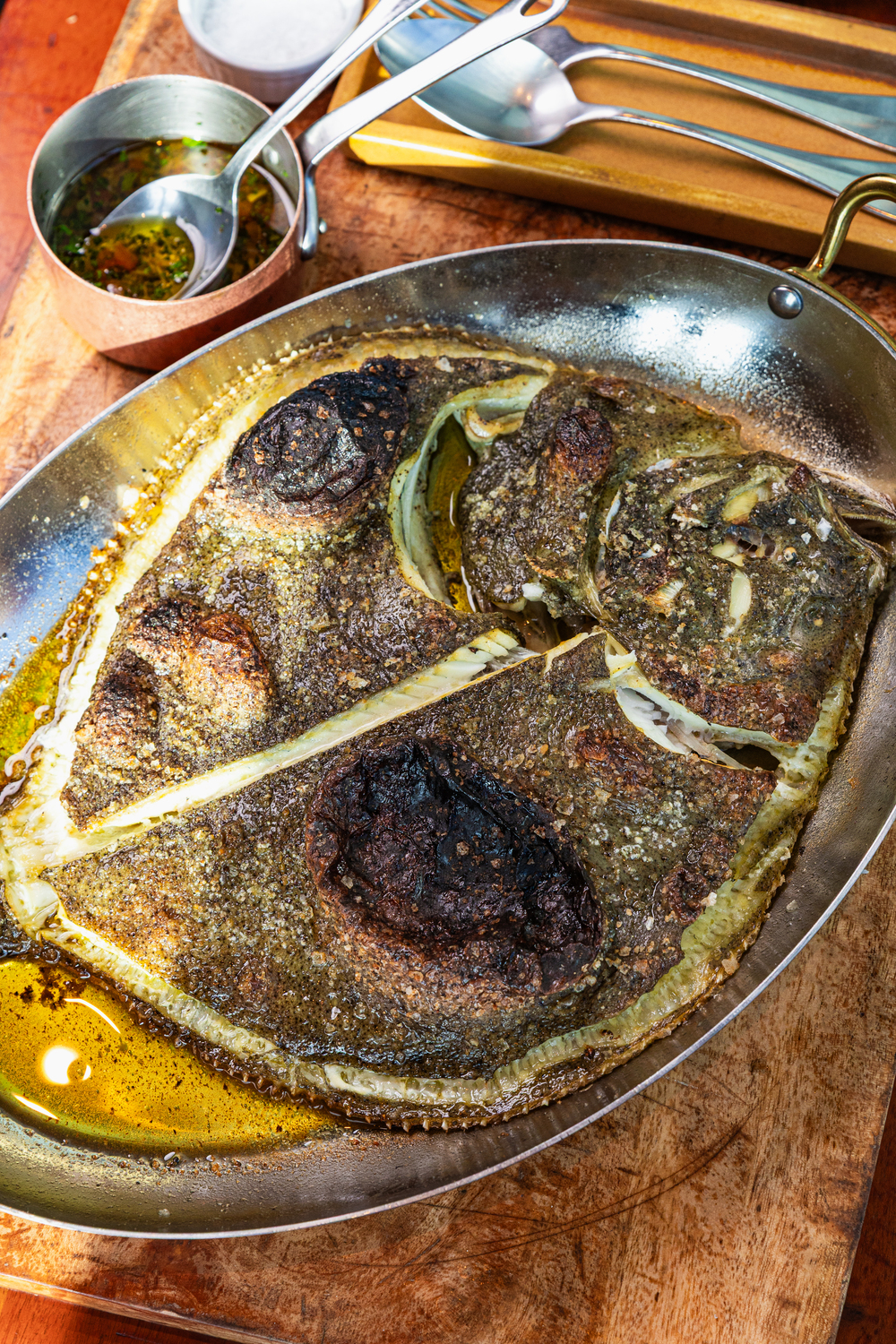 Woodfire Spanish Turbot / IMAGE from Osteria Antica
Osteria Antica uses a combination of local and imported ingredients, choosing products based on quality rather than their country of origin. Its fior di latte for pizzas and its burrata, for example, are locally sourced because the kitchen finds the local products better suited to its standards.
Several essential ingredients are brought in from Italy, including Parmigiano Reggiano, Pecorino Romano, aged balsamic vinegar, extra virgin olive oil, and San Marzano tomatoes.
Seasonal Dishes to Try
Among the dishes that demonstrate the restaurant’s seasonal approach is the Corn Triangoli, a triangle-shaped filled pasta made with corn. It is simply finished with beurre monté, chargrilled corn, and a small amount of Parmigiano Reggiano. The dish was developed to highlight corn while it was at the peak of its season.
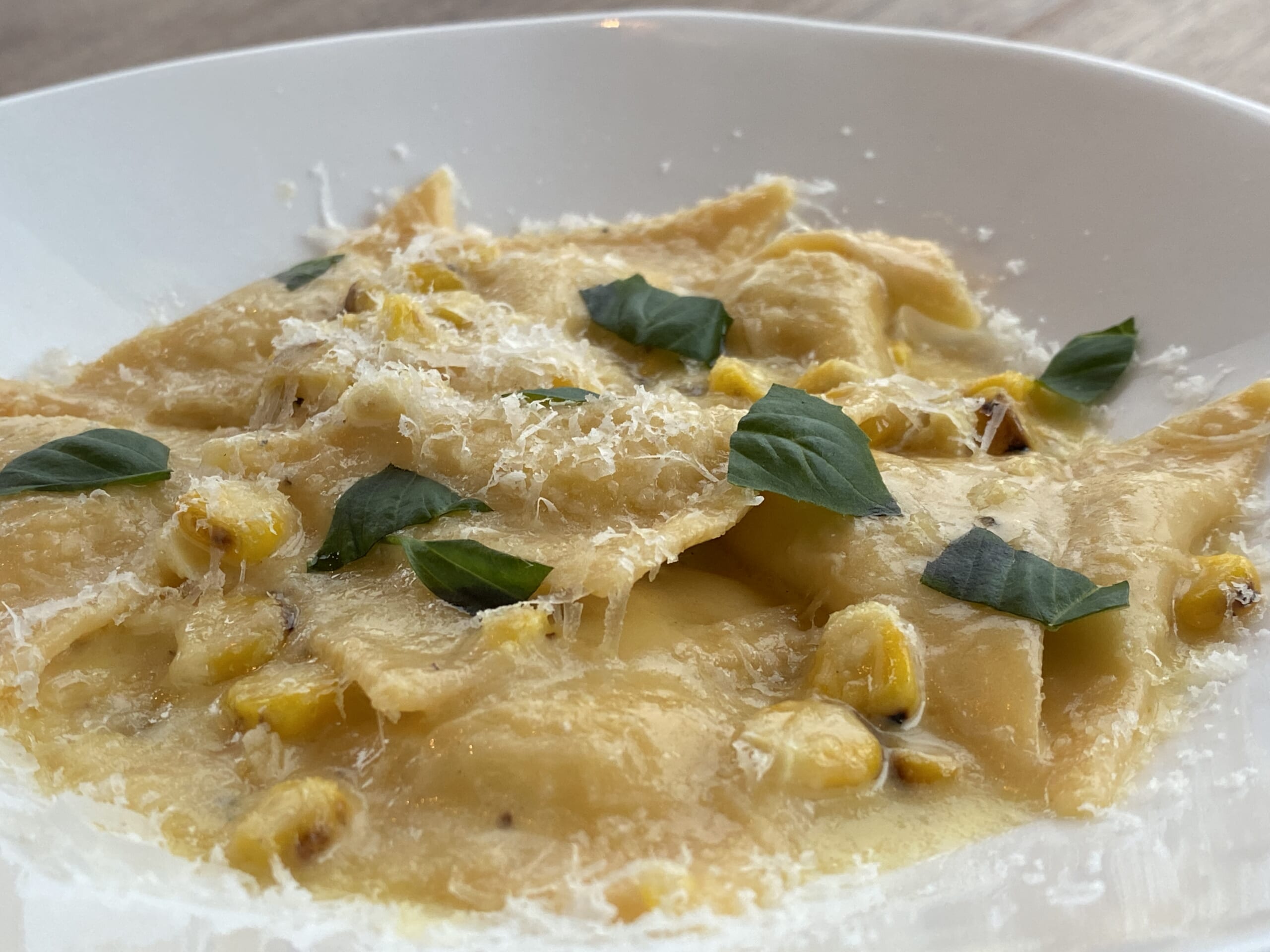 Corn Triangoli (Php 820) / IMAGE from Philippine Primer
Another seasonal offering is the Peach and Prosciutto Pizza, which brings together gorgonzola cheese, prosciutto, and fresh peaches from California.
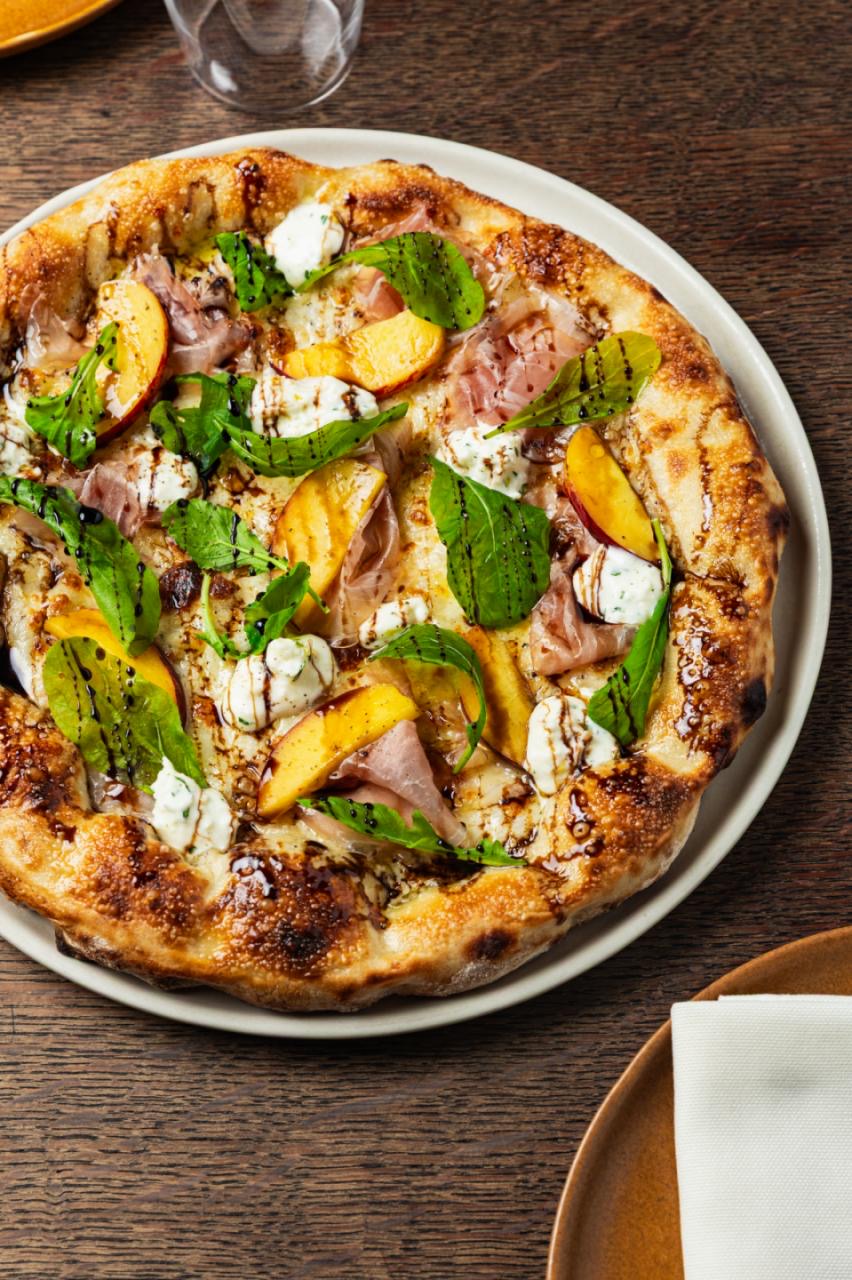 Peach and Prosciutto Pizza (Php 895) / IMAGE from Osteria Antica
For a more elaborate dining experience, guests may order the Woodfire Spanish Turbot. The turbot is sourced from the Galician coast of Spain and air-flown to the Philippines before being simply roasted in the restaurant’s wood-fired oven.
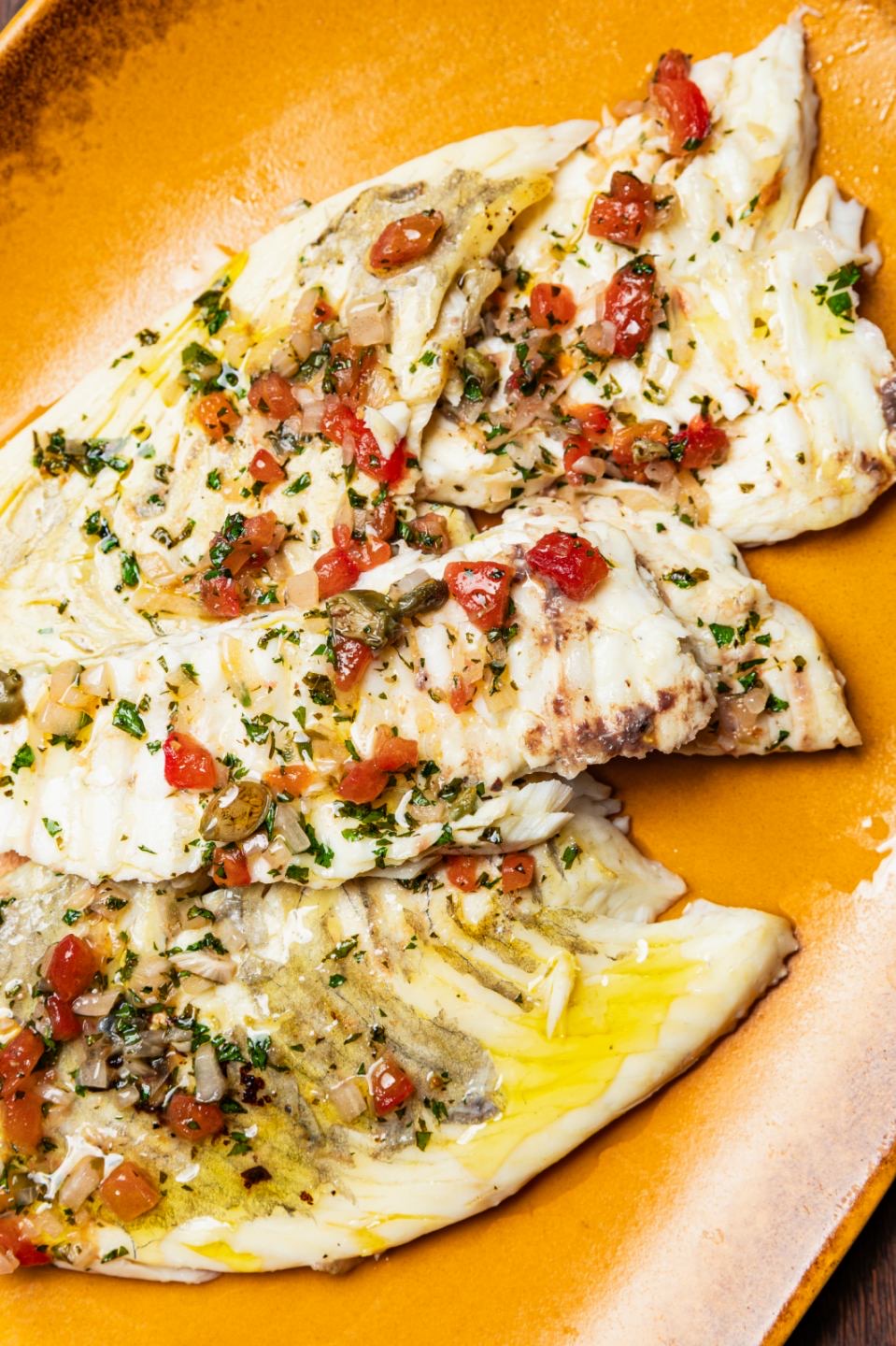 Woodfire Spanish Turbot Deboned (Php 6,995). This includes the pasta. / IMAGE from Osteria Antica
It is served with a sauce made from extra virgin olive oil, lemon, shallots, tomatoes, and herbs. The fish is filleted tableside and presented in two courses. After the first course, the remaining fish and bones are returned to the kitchen. The meat is carefully picked from the bones, while the bones are boiled into a stock.
The kitchen then prepares a spaghetti using the stock from the same turbot, finishing it with Calabrian chili, lemon zest, and chives.
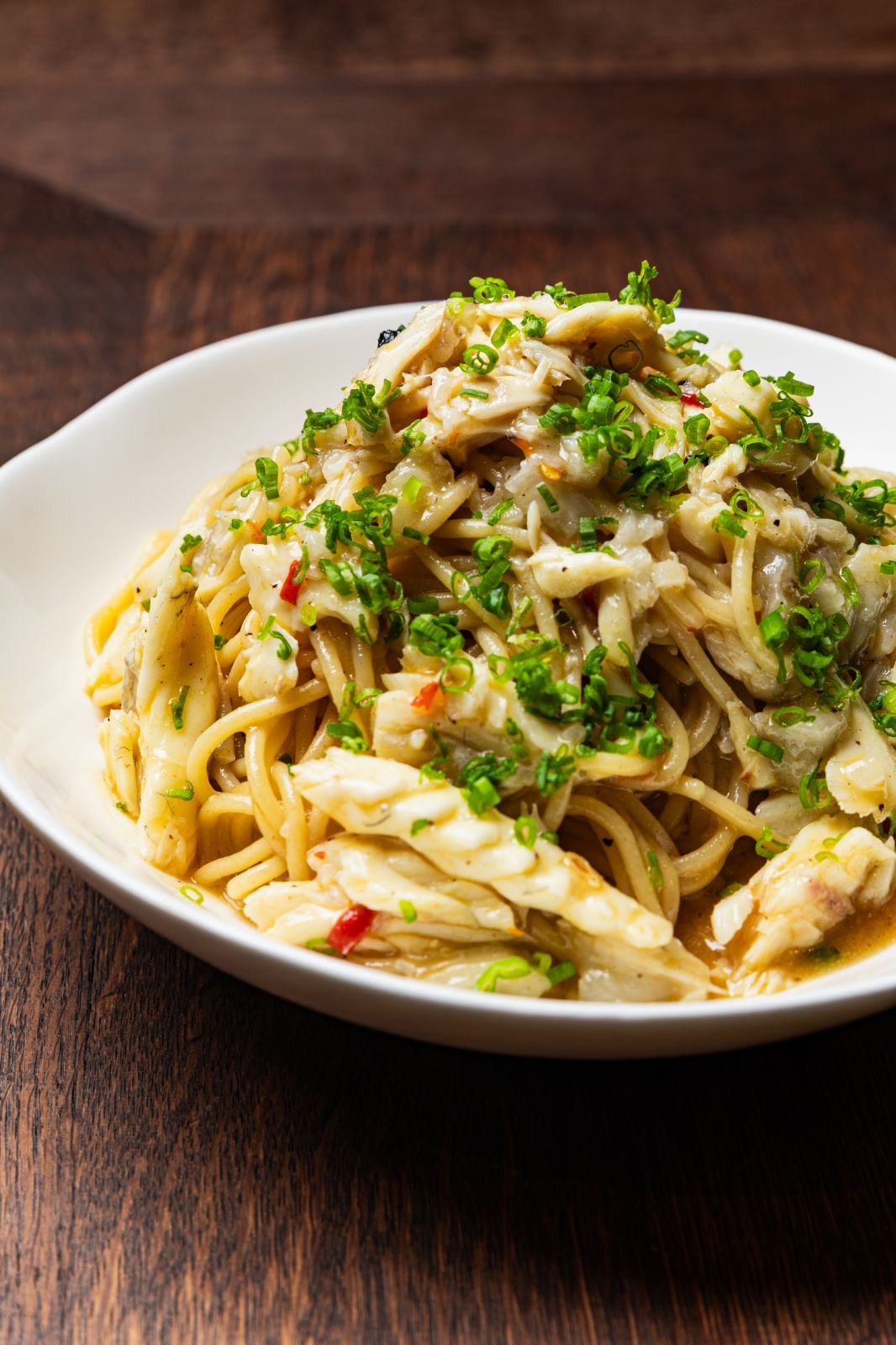 Woodfire Spanish Turbot Pasta / IMAGE from Osteria Antica
The kitchen is led by Chef Carlo Miguel who has worked in professional kitchens since 1993. He began his career in Sydney, Australia, where he spent 11 years progressing from apprentice to executive chef.
During his time in Sydney, he worked in restaurants recognized by the Good Food Guide with one or two hats. The Australian guide uses hats instead of MICHELIN stars, with only a limited number of establishments receiving higher distinctions each year. All the restaurants where Chef Carlo worked held at least one hat, while most had two.
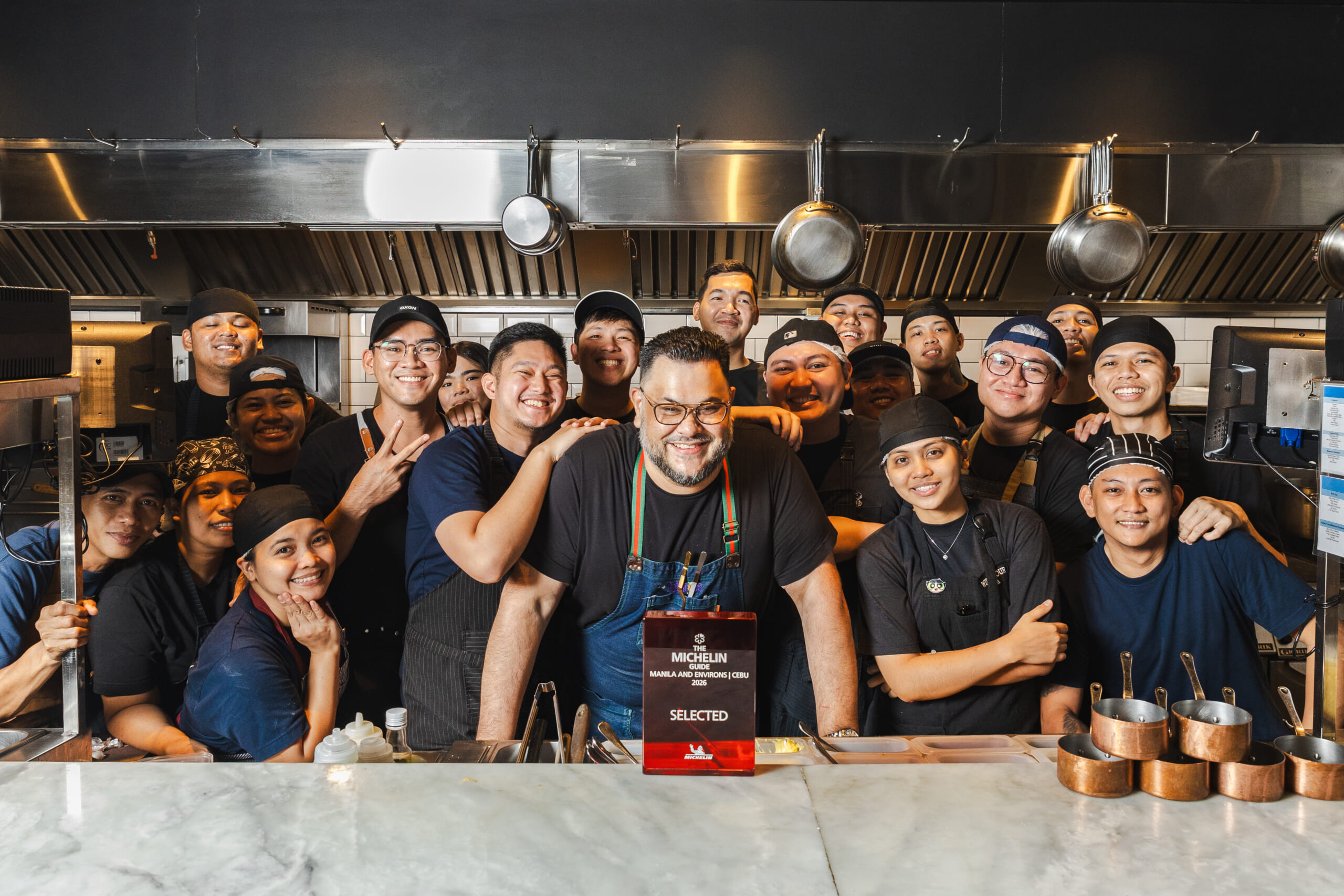 Chef Carlo Miguel and the Team behind Osteria Antica / IMAGE from Osteria Antica
After returning to the Philippines in 2003, he provided private dining services for high-end clients before opening Mezzaluna at Serendra in 2006. He later served as executive chef of Sala and Sala Bistro from 2007 to 2010.
He also became a chef-partner and part-owner in several restaurant and nightlife concepts, including Opus at Resorts World, 71 Gramercy, Draft, and The Brewery at The Palace. Chef Carlo later worked as corporate executive chef of Foodie Global, which handles concepts such as Mesa, Hawker Chan, Bench Café, and Tim Ho Wan.
During the pandemic, he joined the cloud-kitchen company CloudEats, where he helped introduce brands including Burger Beast. He eventually moved to the Wildflour Group and joined in February 2025 specifically to open Osteria Antica, drawing from his extensive experience and specialization in Italian cuisine.
Although Osteria Antica has received recognition from the MICHELIN Guide, Chef Carlo maintains that awards do not influence how the kitchen works. Instead, the team focuses on its diners, consistency, and the goal of becoming a little better with every service.
Private Dining and Reservations
Osteria Antica can accommodate approximately 110 to 120 guests indoors, or up to 130 guests when its outdoor seats are included.
Its private dining room can accommodate 10 to 12 guests and requires a minimum spend of Php 35,000. The entire restaurant may also be reserved for events for up to 120 guests at Php 3,500 per person.
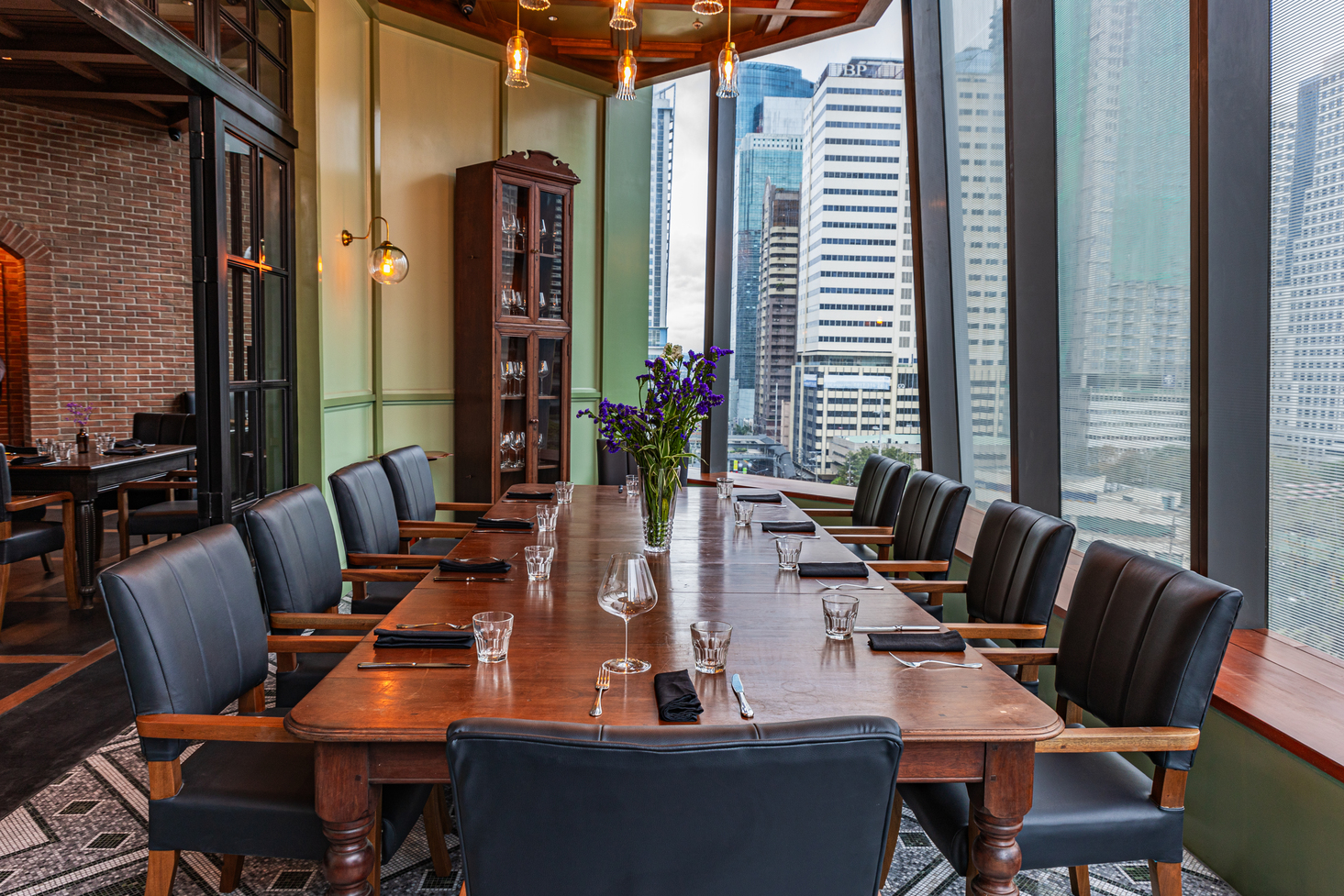 Private Room at Osteria Antica / IMAGE from Osteria Antica
A downpayment is required for large groups. On regular days, guests may be asked to pay Php 1,000 to hold a table. During special occasions with set menus, such as Valentine’s Day or Mother’s Day, the reservation fee is equivalent to 50% of the applicable set-menu price.
Through handmade pasta, long-fermented pizza dough, aged meats, and a menu that responds to the seasons, Osteria Antica stays committed to the fundamentals of traditional Italian cooking. Rather than overcomplicating its dishes, the restaurant selects quality ingredients, treats them simply, and gives them space to take the lead.