

Interview with Chef J. Gamboa, Executive Chef of MICHELIN Selected Cirkulo Restaurant
When it comes to Spanish cuisine in the Philippines, few restaurants capture its depth, warmth, and soul as distinctly as Cirkulo Restaurant by Chef J. Gamboa.
Known for its bold yet refined take on Spanish flavors, Cirkulo has built a reputation for delivering honest, ingredient-driven dishes that stay true to tradition while embracing a modern dining experience.
This dedication has now earned the restaurant a prestigious distinction: Cirkulo has been named a MICHELIN Selected restaurant for 2026, marking a significant milestone not only for the restaurant but also for the evolving culinary scene in the country.
To mark this achievement, we sat down with Chef J. Gamboa to hear his thoughts on the Michelin recognition, his culinary journey, and the principles that continue to guide Cirkulo as it moves forward.
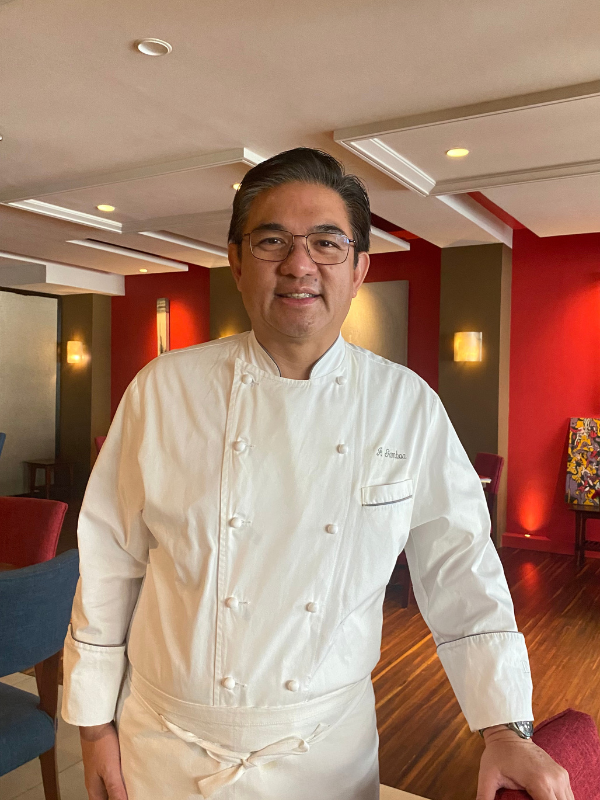 IMAGE from Philippine Primer
This year marks the Philippines’ first inclusion in the Michelin Guide. What was your honest reaction when you learned that your restaurant was named MICHELIN Selected, and how did the people around you respond?
When we received word that we were being considered for the Michelin Guide, my first reaction was, “Oh my gosh, wow—thank you.” They inform you that you are under consideration, but you do not know if you will receive a star, a Bib Gourmand, or be MICHELIN Selected, so there was a lot of excitement and suspense.
For professional chefs, the Michelin Guide is the most important recognition, so being included brought immense pride to me, my sister Malu, our team, and our regular guests. Everyone was genuinely happy.
 IMAGE from Cirkulo Restaurant’s Facebook page
Looking back, what do you think were the key strengths of your restaurant that the Michelin Guide recognized?
I think they recognized our longevity—we have been open since 1995—our attention to detail, and our commitment to quality and consistency.
We work closely with farmers and suppliers and are very particular about the ingredients and cooking. Just as important is the overall dining experience.
For us, it starts the moment the guest parks their car and ends only when they drive away. The building must be clean and bright, the welcome sincere, and any problem handled immediately so that guests leave thinking, “I had a great time; I’ll come back.”
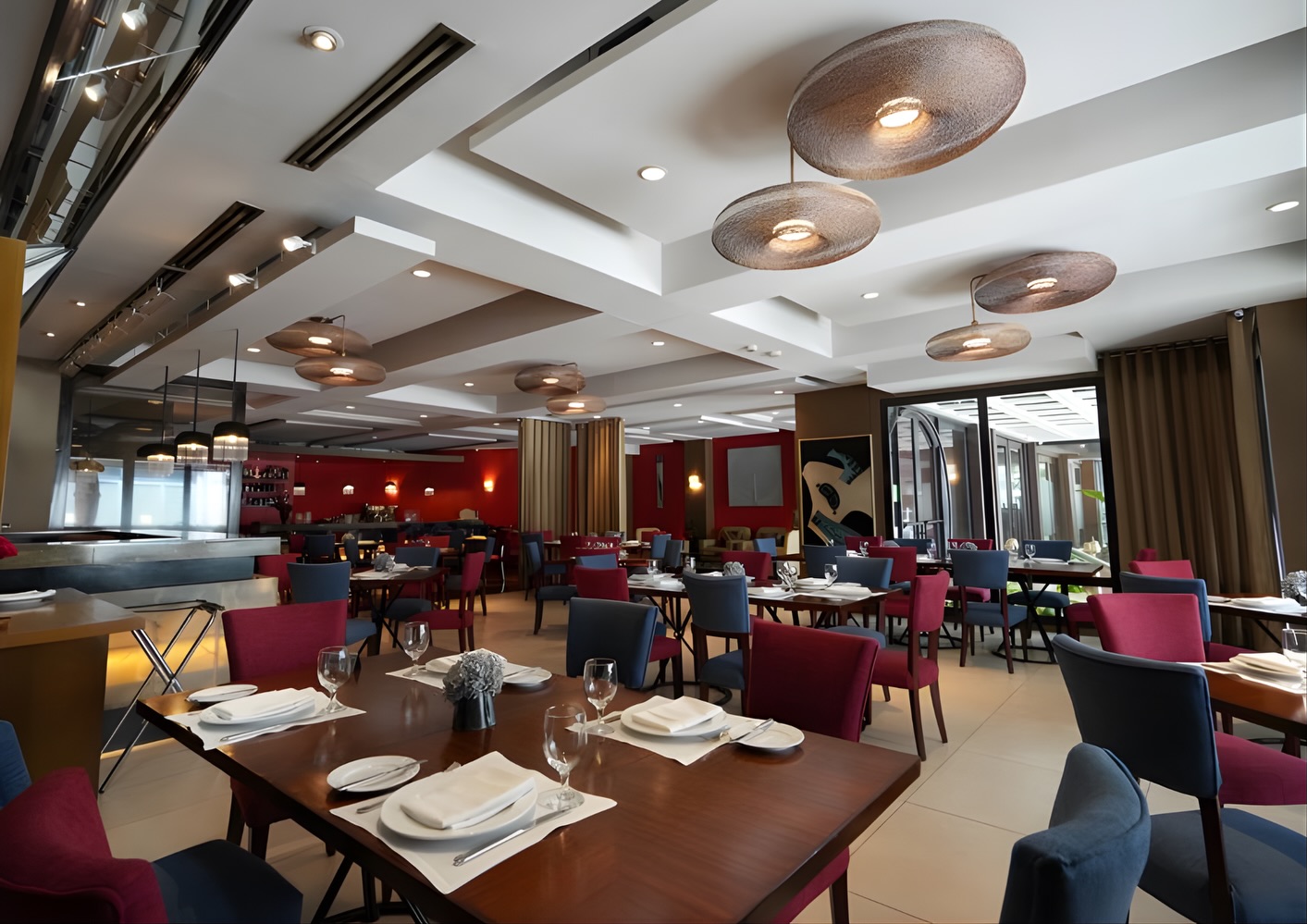 IMAGE from Cirkulo Restaurant’s Facebook page
In both cooking and restaurant management, what is a belief or principle that you absolutely will not compromise on?
Quality is non-negotiable. We only serve food that we ourselves truly enjoy, and if it is not good enough, it does not go on the menu. I am probably the harshest critic of our dishes. Equally important are sincere service and taking care of the guest experience.
In our team, people genuinely like serving others and making them happy. Taste, service, and emotional connection all go together.
As a chef and restaurant leader, what do you believe is most important in building a restaurant that guests continue to support over the long term?
The most important thing is connection and continuity. Guests feel reassured when they see me, my sister Malu, and our long-time staff in the restaurant.
Many of our team have been with us for decades and have seen families celebrate many milestones here. That kind of continuity builds trust, and people come back not only for the food, but because they feel at home and cared for.
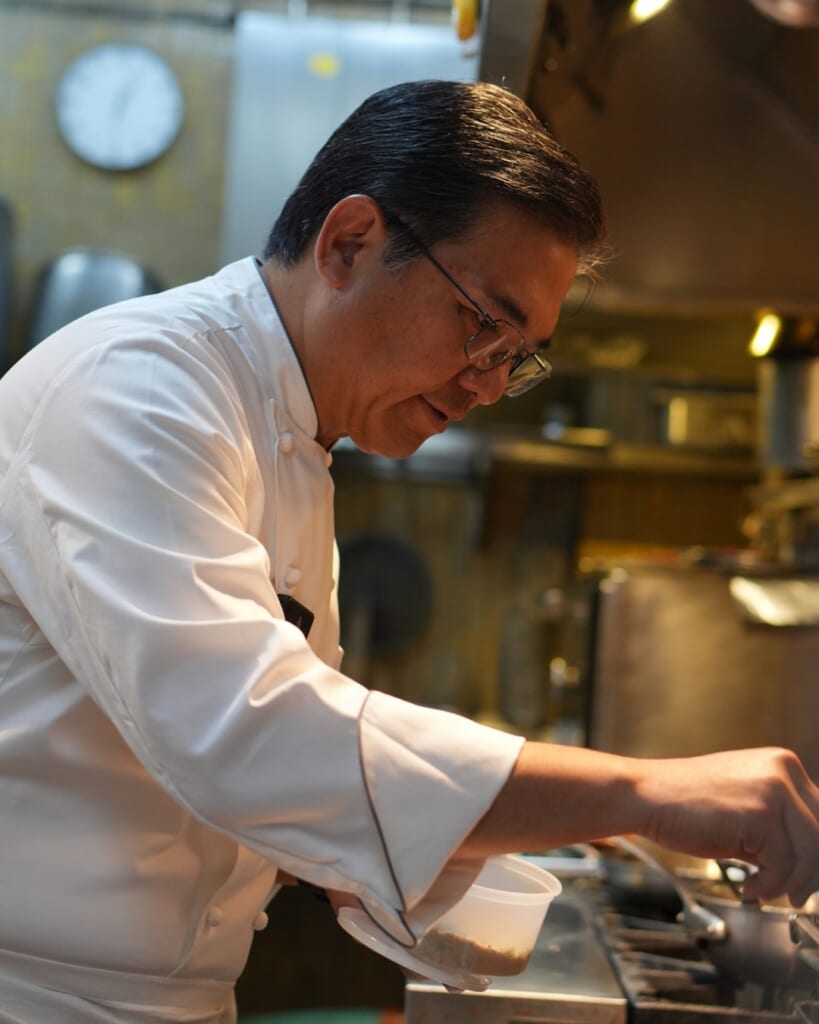 IMAGE from Cirkulo Restaurant’s Facebook page
Now that you have received recognition from the Michelin Guide, are there any aspects you are newly conscious of, or areas you would like to further refine and improve moving forward?
Michelin has made us even more focused on continuous improvement. Our goal for 2026 is to have all our restaurants—Cirkulo, Azuthai, Milky Way Café, and Tsukiji—in the Michelin Guide.
We are raising standards across the board, from service and operations to the finer details like tableware and finishes, and we work hard to keep our almost 50-year-old building “shiny.” We also push ourselves with regular menu specials. For us, Michelin is not a finish line, but a motivation to keep refining everything we do.
Are there any new challenges or initiatives that your restaurant is currently taking on?
One of our biggest challenges now is attracting younger clientele. There are many young professionals in Makati who may not know our restaurants yet.
To reach them, we are working with a social media company and planning collaborations with wine and spirits suppliers for pairing menus, which appeal to younger diners. At the same time, competition is intense, with new restaurants opening constantly, so we have to keep innovating and earning our place in their dining choices.
Could you briefly tell us about your career path leading up to the opening of Cirkulo?
I grew up in a restaurant family. My mother, Judy Gamboa, operated Milky Way fast-food and turo-turo outlets in the 1970s, so my childhood was spent in and around kitchens and dining rooms.
I studied Hotel and Restaurant Management at the University of Massachusetts at Amherst, then worked in Boston doing purchasing for restaurants. On a chef’s advice, I trained at the Culinary Institute of America in Hyde Park, New York.
When I came home, I worked at the New World Hotel and later joined my sister in opening a Spanish restaurant. We learned from Señor Alba, who taught us the classics, and we adapted them to be lighter and more contemporary. That is how Cirkulo opened in 1995.
When you first began serving Spanish cuisine in the Philippines, what was the biggest challenge you faced, and which elements are essential to preserving authentic Spanish flavors?
The biggest challenge was that we had never opened a Spanish restaurant before, and this was before the internet, so we had to learn through books and travel.
To preserve authentic flavors, some ingredients are non-negotiable: Spanish olive oil, pimentón de la Vera, Spanish charcuterie like jamón and chorizo, and Spanish saffron.
With those, you can combine local ingredients and still be true to the cuisine. Techniques like frying, sautéing, and roasting are universal; what makes them Spanish is how they are applied to dishes like paella and cochinillo. Our cochinillo, for example, uses a Filipino native pig but is seasoned and roasted in a very Spanish way.
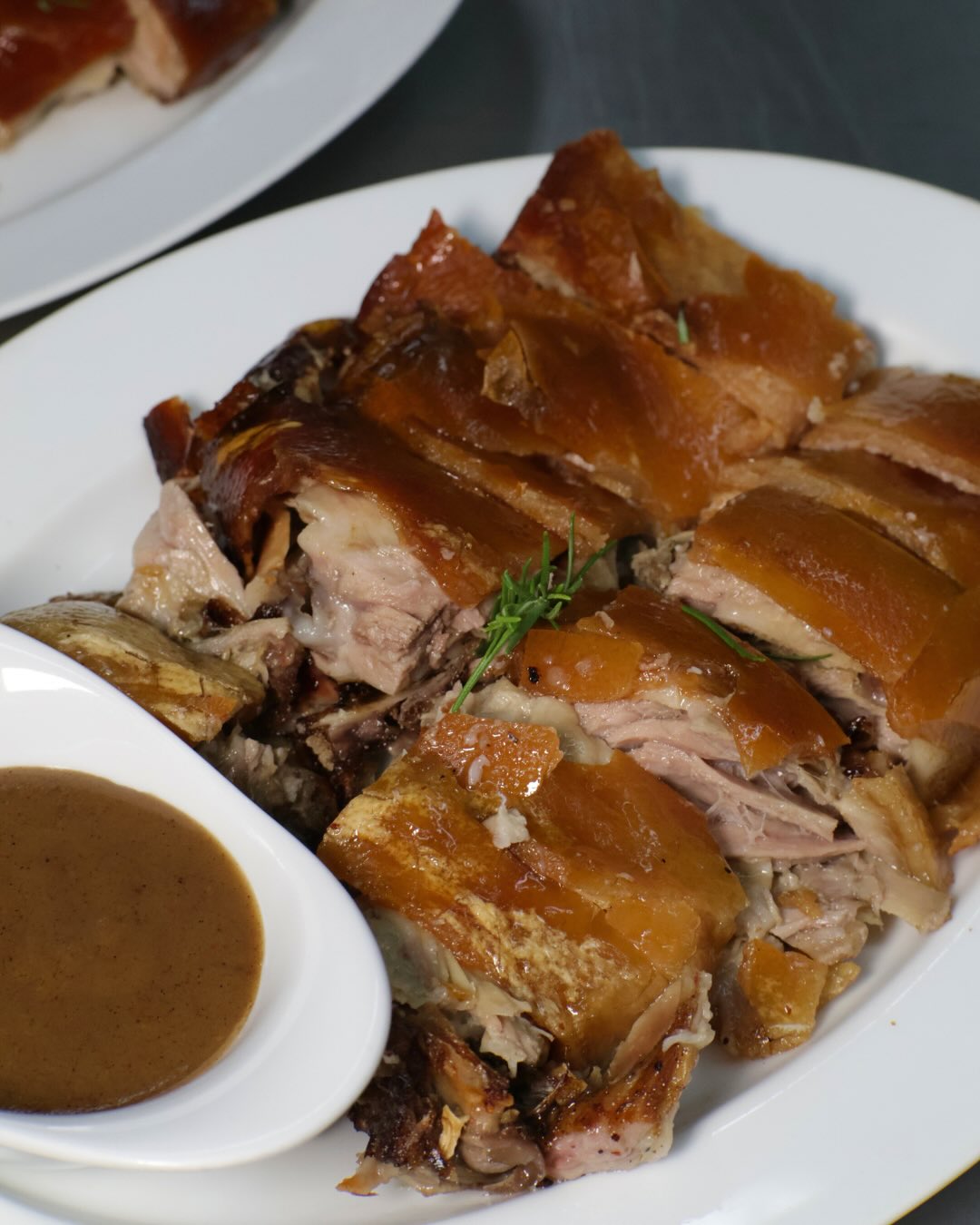 Cochinillo / IMAGE from Cirkulo Restaurant’s Facebook page
As you welcome guests from many different countries, do you notice differences in preferences depending on nationality?
Yes, we notice clear differences, and they are quite fascinating. Our Japanese guests, in particular, have very consistent habits. They almost always begin with what they call a “welcome beer” before moving on to food. Their favorite dishes at Cirkulo include Paella Negra with squid and squid ink, Lengua a la Zarzuela or braised beef tongue with red wine sauce and mushrooms, Gambas al Ajillo, and Baby Squid a la Plancha.
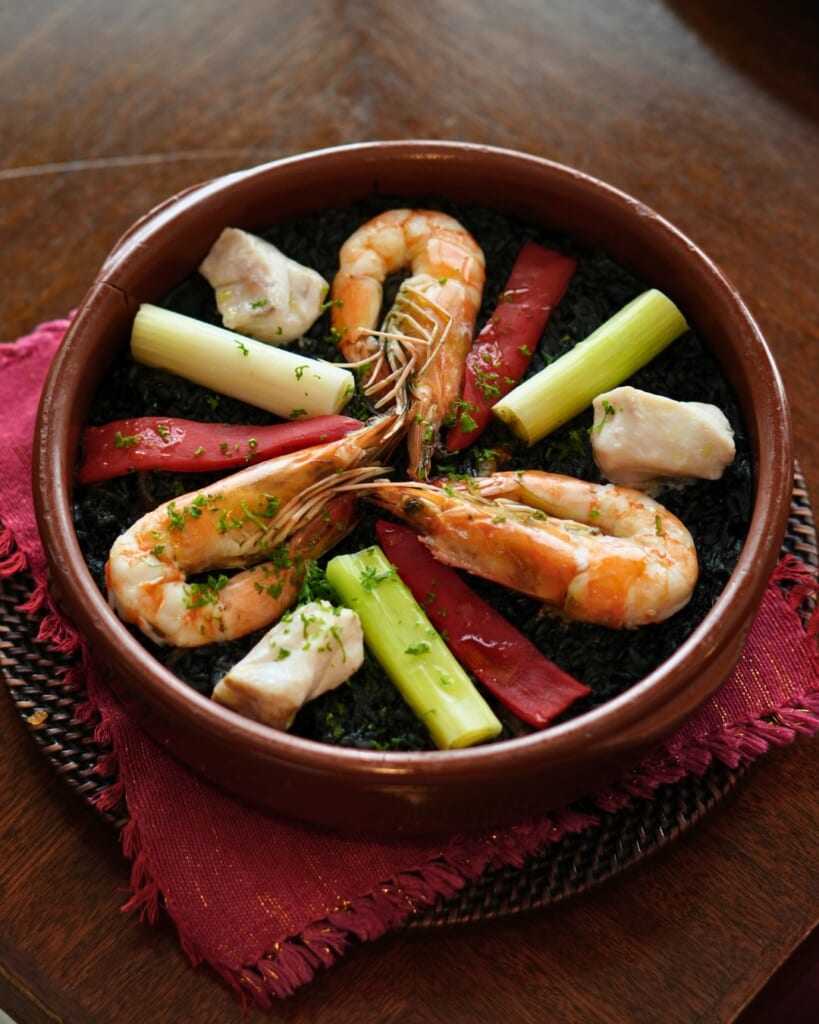 Paella Negra / IMAGE from Cirkulo Restaurant’s Facebook page
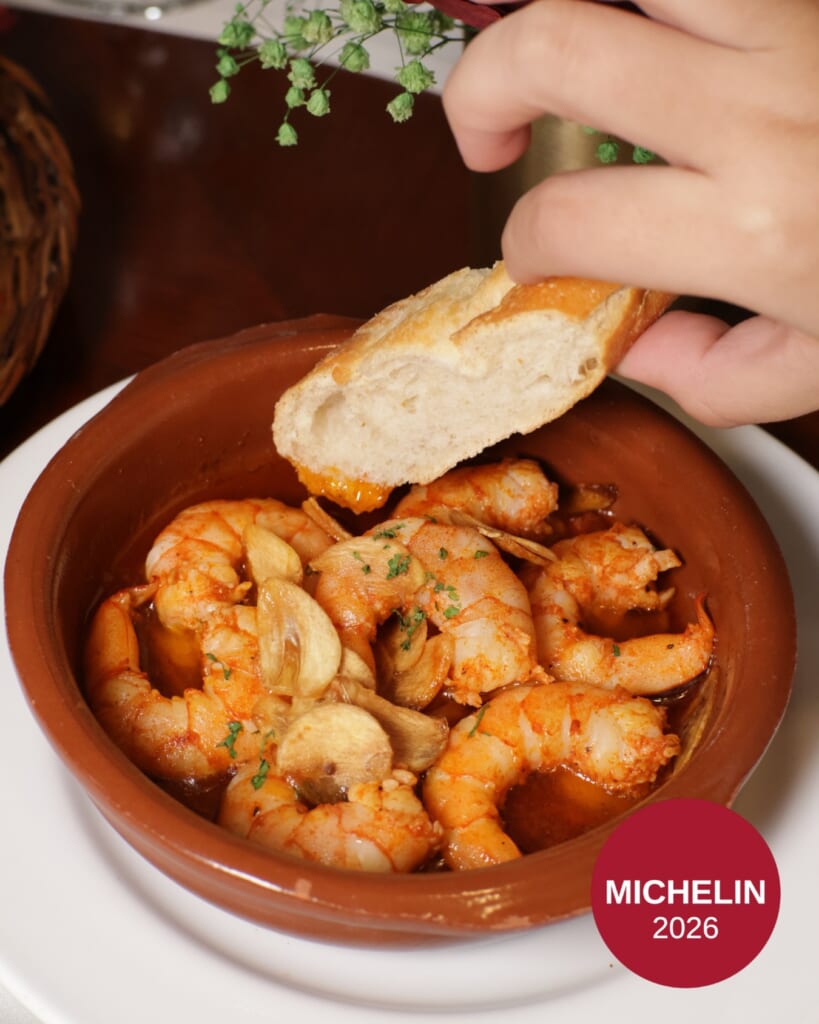 Gambas al Ajillo / IMAGE from Cirkulo Restaurant’s Facebook page
They tend to order in a very complete fashion, with appetizers, main dishes, dessert, and coffee. In fact, roughly half of our clientele are Japanese, which is why our menu is also written in Japanese. Other nationalities have their own patterns, but in general, Filipinos like to order a wide variety of dishes to share—several appetizers, multiple main courses, rice, noodles, and soup—because we enjoy having many things on the table at once.
How do you view the current Spanish dining scene in the Philippines?
I honestly believe the Philippines is the best place for Spanish dining in Asia. Spanish flavors are already part of our culture, so people understand and enjoy them easily.
Spanish food is seen as festive and perfect for celebrations. There are new Spanish restaurants opening all the time, and I think that is very positive. It shows strong interest and pushes all of us to keep improving.
You operate restaurants across a wide range of cuisines—Spanish, Japanese, Filipino, and Thai. Are there any differences in mindset or strategies you are particularly mindful of for each concept, and any new challenges across these businesses?
Each restaurant has a distinct identity. In the Milky Way building, Cirkulo is for more formal or business dining; Milky Way Café is for Filipino comfort food and family gatherings; Azuthai offers a more exotic and aromatic experience; and Tsukiji focuses on high-quality Japanese cuisine, especially sashimi, sushi, and tempura.
We also design our menus around how Filipinos like to eat, which is to share and enjoy many different dishes in one meal. Across the group, we face challenges such as strong competition, staff retention and development, and the need to attract new generations of diners through social media. For Tsukiji, it is also a commitment to maintain Japanese chefs and fly in fresh seafood from Japan five days a week.
Finally, which dishes do you consider “must-try” items for first-time guests, and could you share a message for Philippine Primer readers?
At Cirkulo, I would recommend the Paella a la Montaña, our mushroom paella with portobello mushrooms, roasted garlic, asparagus, and slow-roasted U.S. beef, and our Slow Roasted U.S. Beef Belly, which we created about 25 years ago and which has since appeared on menus all over the country.
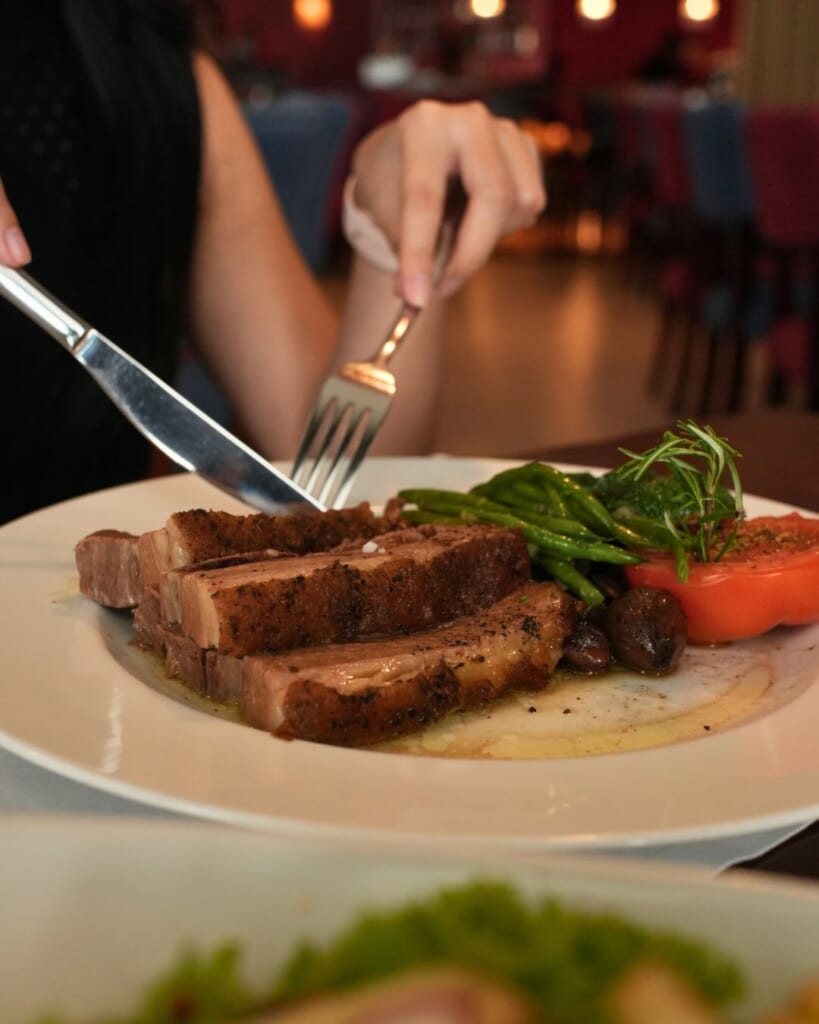 Slow Roasted Beef Belly / IMAGE from Cirkulo Restaurant’s Facebook page
At Tsukiji, first-time guests should try the sashimi, sushi, and, of course, the tempura. At Azuthai, the massaman lamb curry is a personal favorite. At Milky Way Café, the Halo-Halo, made from a 63-year-old recipe with many homemade ingredients, is a must, along with Filipino classics like Pancit Luglug and Turon.
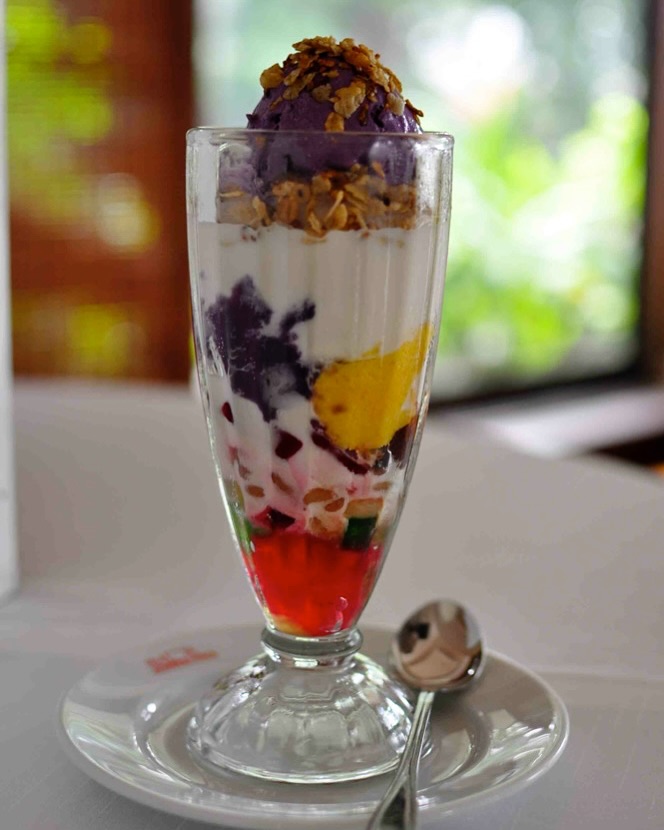 Halo-Halo / IMAGE from Milky Way Cafe’s Facebook page
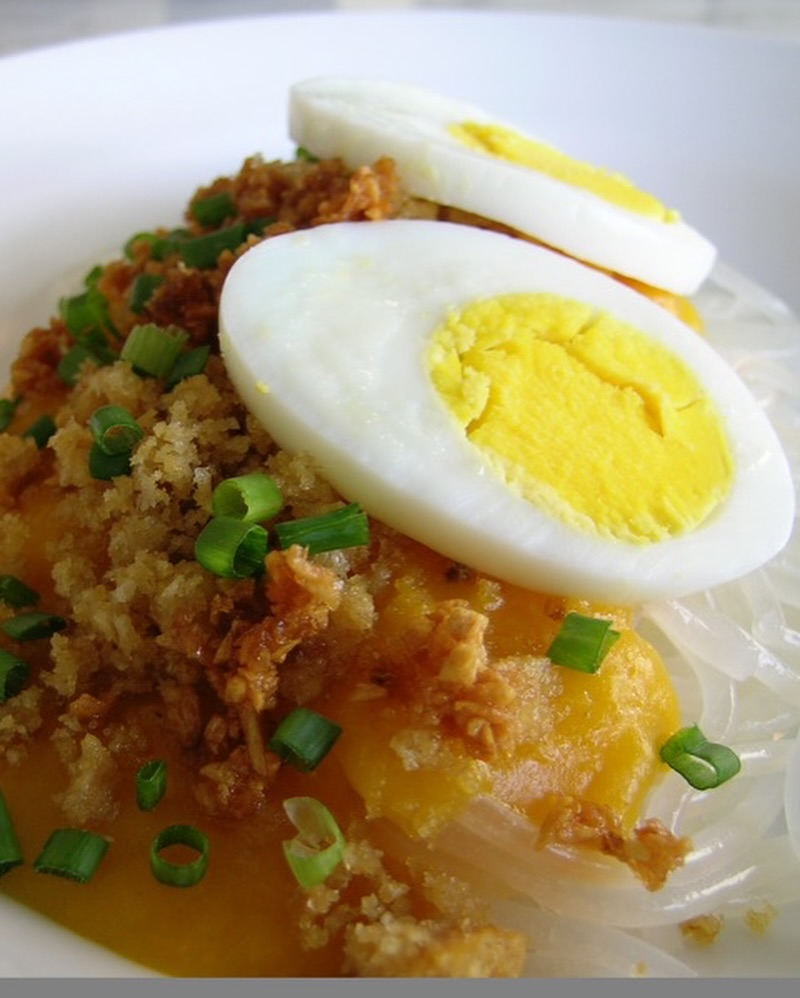 Pancit Luglug / IMAGE from Milky Way Cafe’s Facebook page
To Philippine Primer readers, thank you for your interest in our restaurants and in the Philippine dining scene. We have been cooking and serving for decades, and we are honored to be part of this new chapter with the Michelin Guide. I hope you will visit us and experience not only the food, but also the care and passion that our whole team puts into every meal.