

Expats’ Guide: Paying bills
Finding it hard to settle bills in the Philippines? Worry no more, as we help you with ways on how you can pay your bills easier and faster!
For foreigners who are planning to stay in the Philippines for a long time, once you have found the right apartment or condominium, you should not forget that there are going to be monthly bills that you should pay. Aside from the rent, there are also the electric and water bills to be settled monthly. Also, if you want to live more comfortably, you can apply for cable, phone and internet connection as well. Whether you are a local or a foreigner, it is your responsibility to check and pay these bills on time.
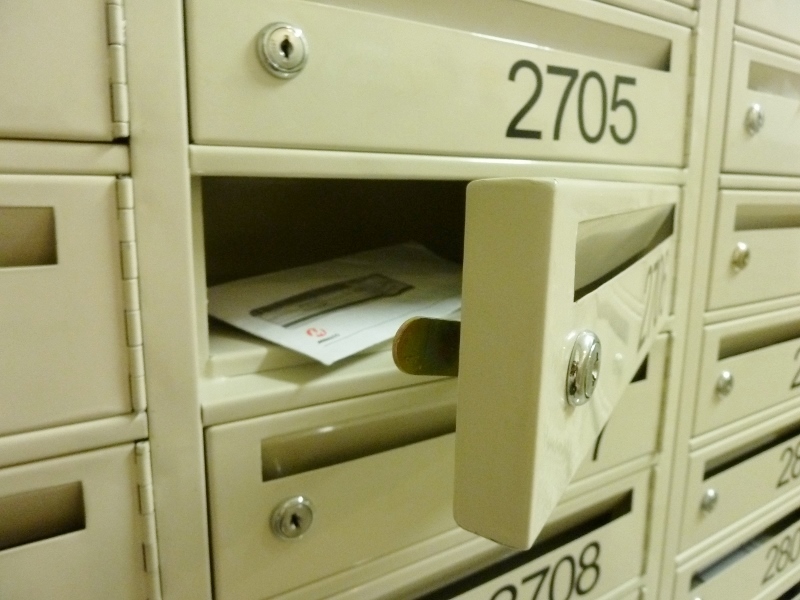
However, there may be times that you can’t go to their offices especially if you have work. To help you out, here are the different options of settling utility bills in the Philippines:
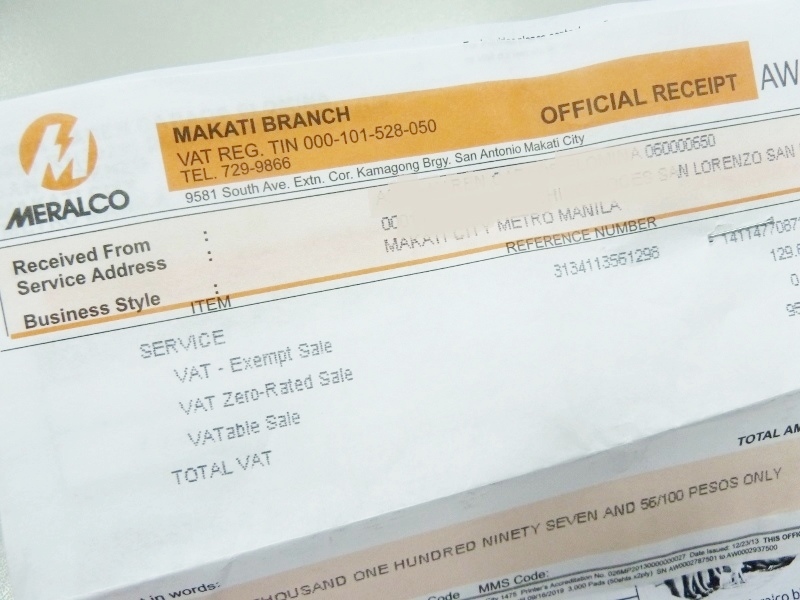
1. You can go to the nearest branch of the company
Almost every town, especially in Manila, has branches where you can pay your electricity bill. Just research online on where you can find the nearest branch to you so you would not have to go to farther branches anymore.
2. You can pay through local banks (over-the-counter or ATM transfers)
Local banks in the Philippines have now made settling bills easier, by accepting bill payments on their several branches nationwide. However, you should know which of these branches will accommodate your bills as they may only accommodate to selected cable or phone companies only.
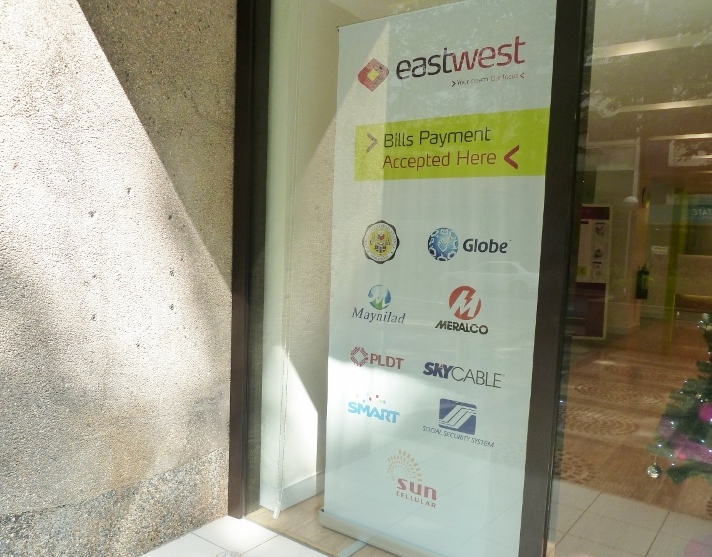
3. You can pay through a one-stop bayad or payment center for utility bills. These are usually found inside malls or commercial buildings.
Bayad centers also make it hassle-free for those who want to settle their bills, as these are easily found in malls, markets, or buildings around the metro.
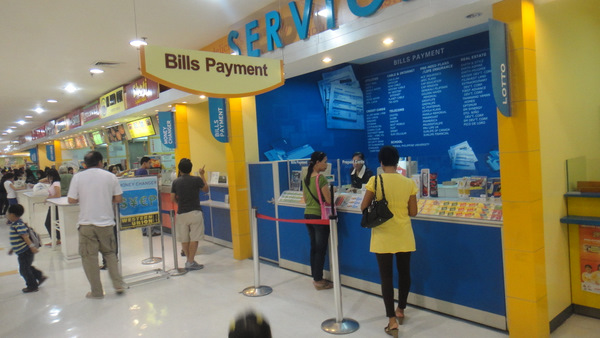
Photo courtesy of: philippinesplus.com
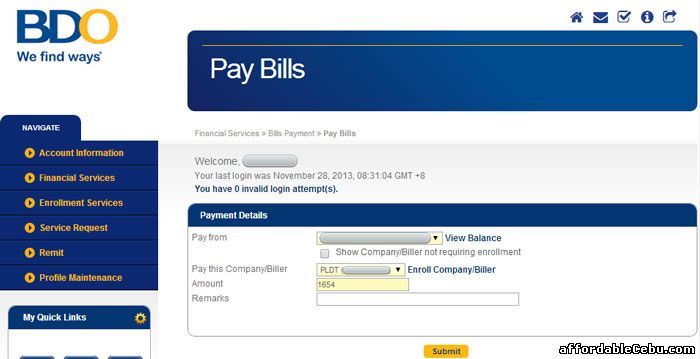
4. You can also pay through online banking.
For the busy ones, you can now pay through online transactions at the comfort of your own home. Be sure that you are registered and you have followed the instructions on the specific bank you will be paying through.
Note: Always bring your billing statement whenever you pay your bills, and pay in Peso.