

What A Mess: How to deal with Philippine natural calamities
The Philippines is a beautiful tropical country, its beaches alluring as sirens and mountains lovely like nymphs. However, a country as magical as this is no stranger to perilous natural enemies: typhoons, earthquakes, volcanic eruptions and the like. These are catastrophes that draw the same reaction and emotion from both locals and expats alike: worry, fear, even terror sometimes. And who wouldn’t be? As with most, these disasters strike when you least expect them to!
And so, when these calamities do come (and for sure they will), are you certain that you are prepared? Fear not and read on, as Primer gives you bits and pieces of advice you might need during those days (or nights) of terror.
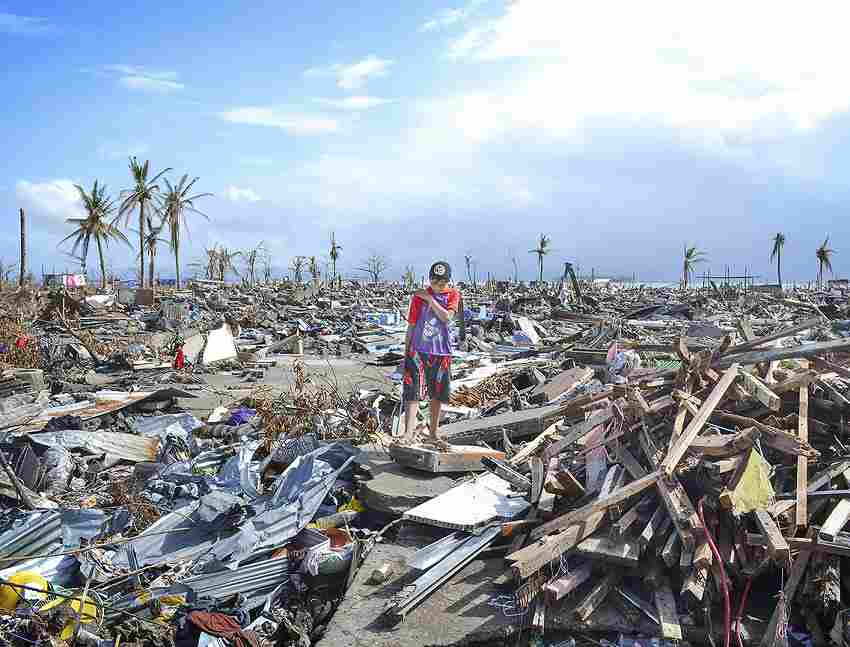
TRAGIC. The entire city of Tacloban was swept away by the wrath of Typhoon Yolanda back in 2013.
Rain, rain, go away, come again another day. Typhoons are the biggest and most frequent unwanted visitors in the Philippines, filling the streets with murky rain water and claps of thunder typically in August to September. Just this year, Typhoon Glenda caused more anxiety than destruction in the southern part of Luzon, spooking some of our foreign friends in Batangas City. Avoid that uncomfortable feeling by remembering these:
1. Inspect your house and prepare as needed way before a typhoon strikes.
2. During a typhoon, make sure to stay inside and postpone any travel. Tune in to local radio and TV channels or use social media networking sites, such as Twitter and Facebook, for any updates and advisories.
3. In the event that there is flood in your area, keep calm, place important appliances and belongings in a high ground and turn off main sources of electricity. Avoid operating electrical equipment. Do not use gas or electrical equipment that have been flooded.
4. Stay at home unless advised otherwise. Wading through flooded areas can cause diseases transmitted through water. However, when asked to evacuate, heed the advice and do this calmly. Avoid routes leading to rivers, lakes and other bodies of water.
5. After the typhoon, do necessary check up and clean up once cleared by local officials. Know more about how to do that here.
Shakers and movers. Earthquakes can be the aftermath of a volcanic eruption, but there are some parts of the country where earthquakes occur on their own. In case you find yourself shaking even before you feel afraid, remember these:
1. Keep the nearest door open for exit if possible.
2. If inside a sound building or structure, duck under a sturdy piece of furniture (i.e., table). You may either hold on to it or protect your head with your arms.
3. Be alert, Keep your eyes open for falling objects and stay away from anything heavy or made of glass.
4. If at an open area, move away from steep slopes. These may be affected by landslides.
5. Stay away from monuments, trees, posts, and other big and heavy structures.
6. If near the sea, it is advised to evacuate to higher ground as quickly as possible, as there is a possibility for tsunamis.
7. If inside a moving vehicle, stop, pull over and get out. Do not try to cross bridges, overpasses or flyovers.

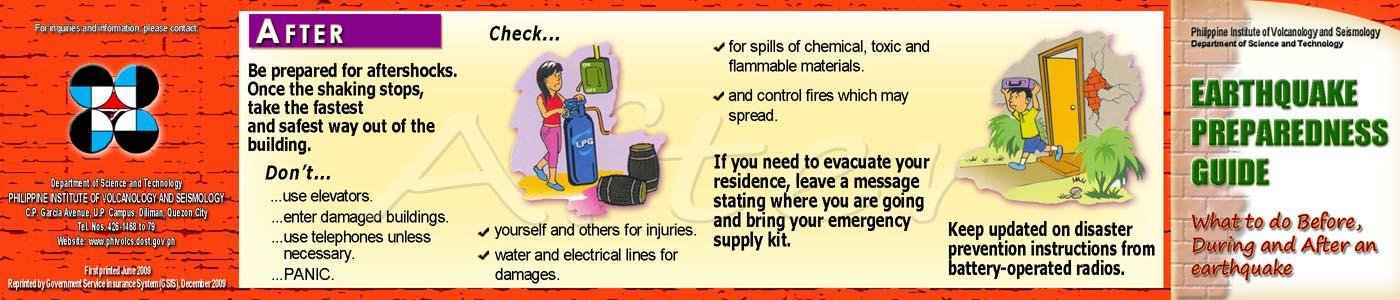
The Philippine Institute of Volcanology and Seismology has come up with a comprehensive earthquake preparedness guide for everyone.
Lastly, first things first. While it is important to keep a clear head during a natural disaster, it is equally important to prepare even before a calamity strikes. Individual first aid kits for each member of the family, common meeting points in case there is a need to evacuate, copies of important documents, a list of emergency contact information and emergency plan cards are some of the things that need to be available to you and your family. There are a lot of available reliable resources online to help you prepare these items, too. Make sure to gather all needed information while you still can.
Knowledge is power, so making sure that you are equipped with the right kind of information is the first step to surviving these challenges. Then, we can go back to seeing the Philippines as the natural beauty it really is.

Written By: Madeline Castillo, contributor