

University of San Carlos Museum in Cebu: A Window Into Culture, History, and Heritage
Located on P. Del Rosario Street within the University of San Carlos Downtown Campus, the University of San Carlos Museum offers visitors a meaningful glimpse into Cebu’s rich cultural, natural, and historical heritage. Housed on the ground floor of the Arthur Dingman Building, the museum sits inside a four-storey neoclassical landmark named after the university’s first rector.
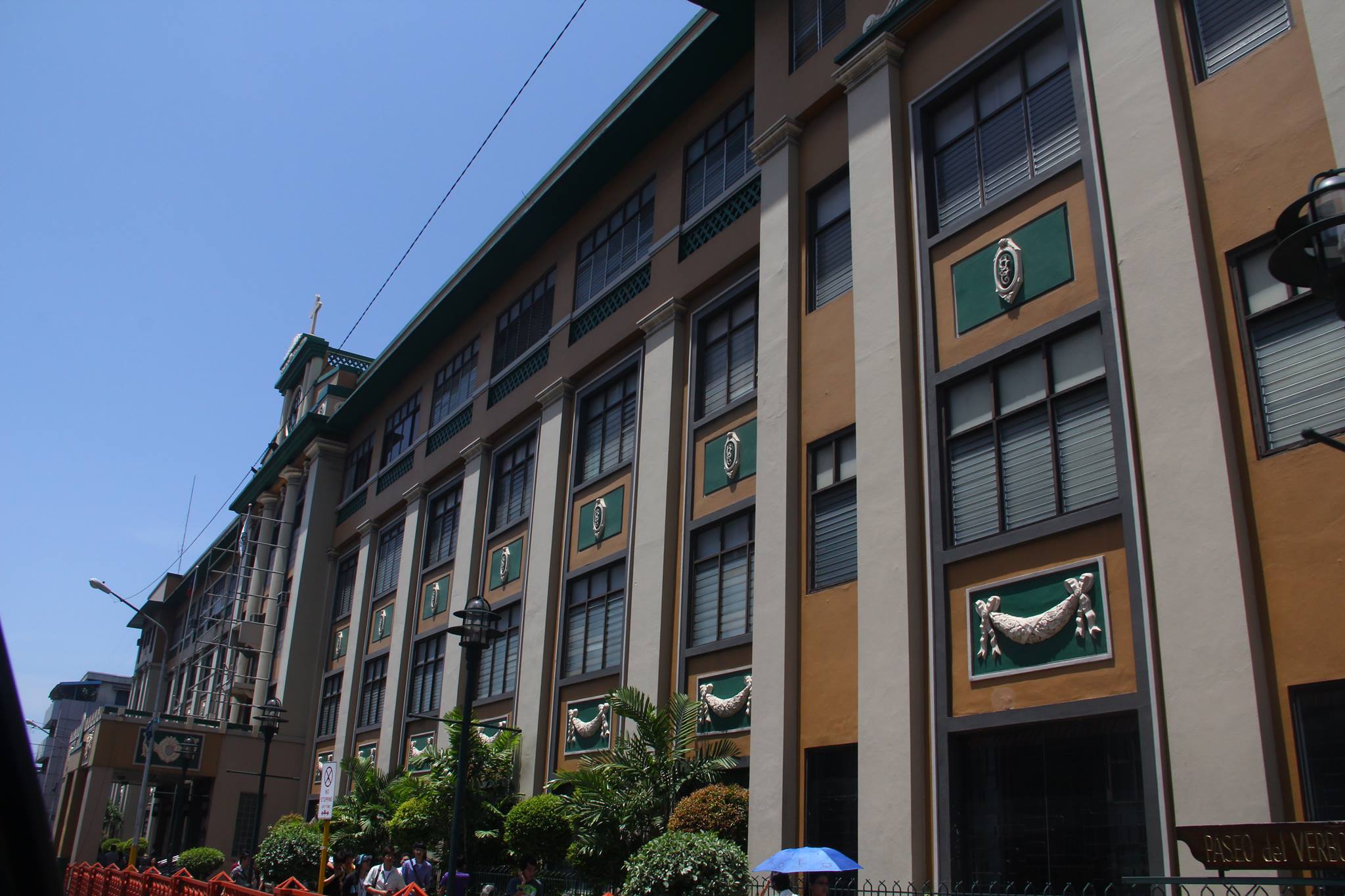 IMAGE from University of San Carlos’ Facebook page
The museum was formally inaugurated on April 23, 1967, but its roots go much further back. As early as 1908, a museum with cabinets of curiosity had already been established at the old Seminario-Colegio de San Carlos near Plaza Independencia.
Sadly, that early museum and its collection were destroyed during the bombings of Cebu in 1945. By the 1950s, the university had once again begun collecting, studying, cataloguing, and exhibiting important objects, from excavated ceramics and natural specimens to ecclesiastical, historical, and ethnographic pieces.
Today, the USC Museum has grown from its original three galleries into a wider exhibition space featuring five indoor galleries, one open gallery, and a hallway exhibit area. Its three original galleries—Biodiversity, Archaeology, and Ethnography—remain in the south wing, offering visitors a closer look at the natural environment, archaeological discoveries, and cultural traditions connected to Cebu and the wider region.
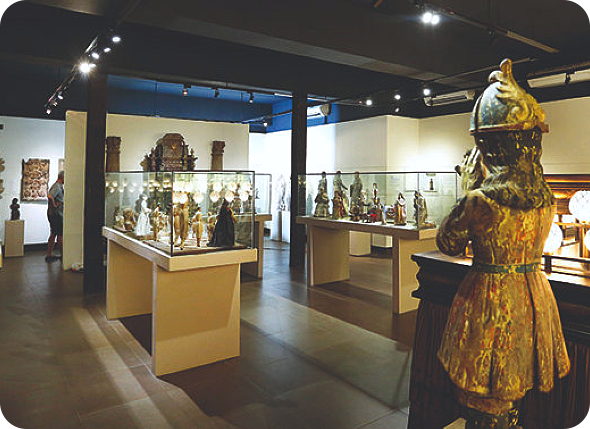 IMAGE from University of San Carlos’ Website
Also found in the south wing are the Open Gallery, which is used for temporary and special exhibitions, and the hallway exhibition dedicated to the institutional history of the University of San Carlos. Meanwhile, the north wing houses long-term exhibitions from the Rosita R. Arcenas collections, including Bahandi, a collection of Chinese and Southeast Asian ceramics, and Handumanan, a collection of Bisayan santos that highlights religious artistry and devotion.
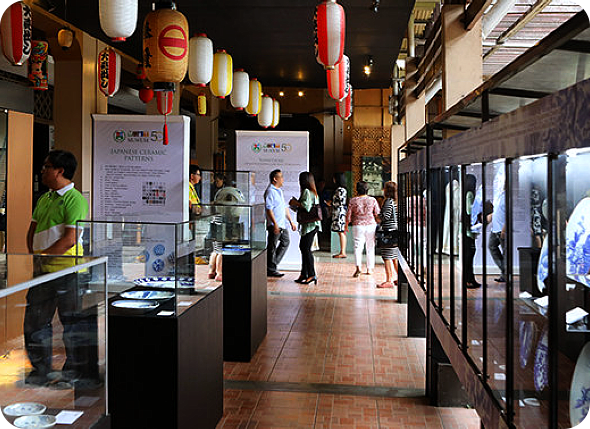 IMAGE from University of San Carlos’ Website
Beyond its main galleries, the museum also works with the university’s Department of Biology, which maintains the Entomological Collection and Marine Biology Collection at the Talamban Campus.
For travelers interested in heritage, art, archaeology, and Cebuano identity, the University of San Carlos Museum is a worthwhile stop in downtown Cebu. It offers a quiet yet enriching experience that connects visitors to the stories, objects, and traditions that continue to shape the region’s cultural memory.
General Information