

Sugbu Chinese Heritage Museum in Cebu: A Cultural Journey Through Chinese-Cebuano Heritage
Set inside the historic Gotiaoco Building in Cebu City, the Sugbu Chinese Heritage Museum offers visitors a meaningful look into the long-standing relationship between the Chinese and Cebuano communities.
Located at M.C. Briones corner P. Burgos Streets, the museum serves as a cultural space dedicated to preserving the stories, artifacts, and shared legacy shaped by generations of Chinese settlers in Cebu.
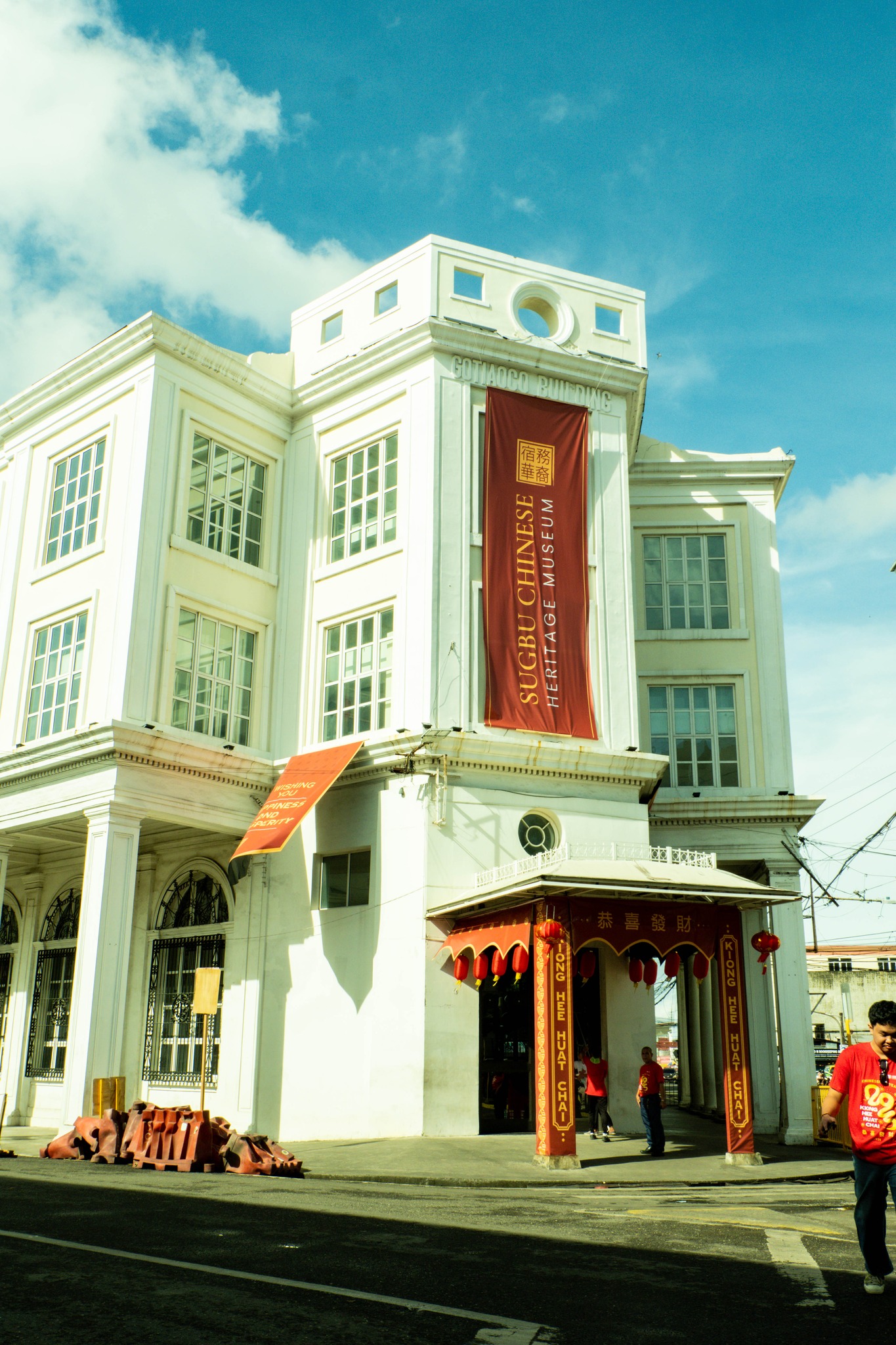 IMAGE from Sugbu Chinese Heritage Museum’s Facebook page
The museum traces its beginnings to a vision formed in 2010 during the Jesuit Chinese-Filipino Lay Apostolate convention, where the idea of creating a Chinese Heritage Center first took shape. It later developed into an institution focused on research, curation, exhibition, and education, with the goal of deepening appreciation for Chinese-Cebuano heritage.
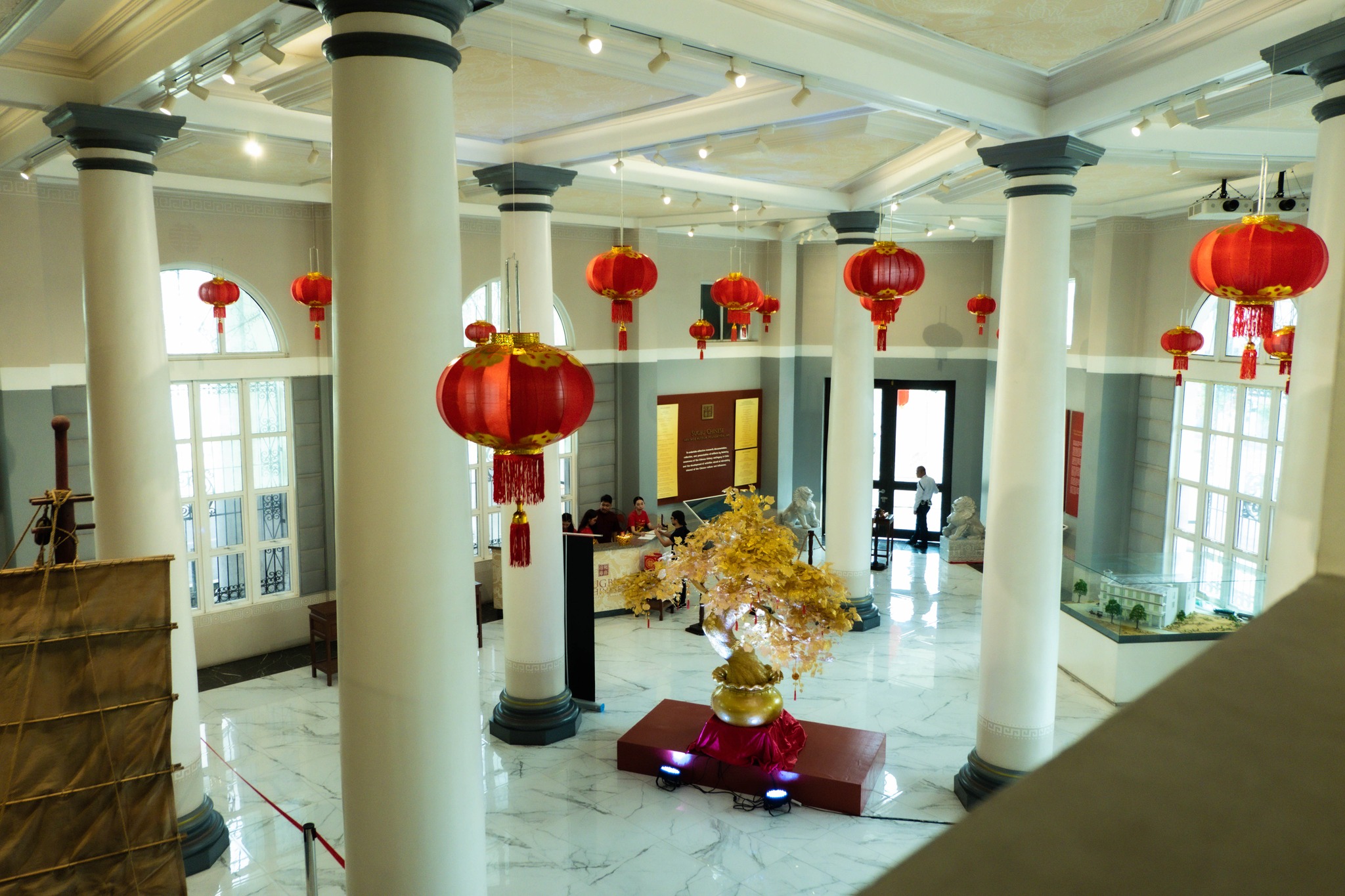 IMAGE from Sugbu Chinese Heritage Museum’s Facebook page
A visit also introduces guests to the Gotiaoco Building, once connected to Cebu’s trade and shipping activity. Though damaged during World War II and later affected by a fire in 1995, the structure has since found renewed purpose as a home for stories that connect Cebu’s past with its multicultural identity.
Inside, the museum brings history closer through detailed dioramas, rare artifacts, treasured family archives, framed photographs, recreated scenes, and cultural displays.
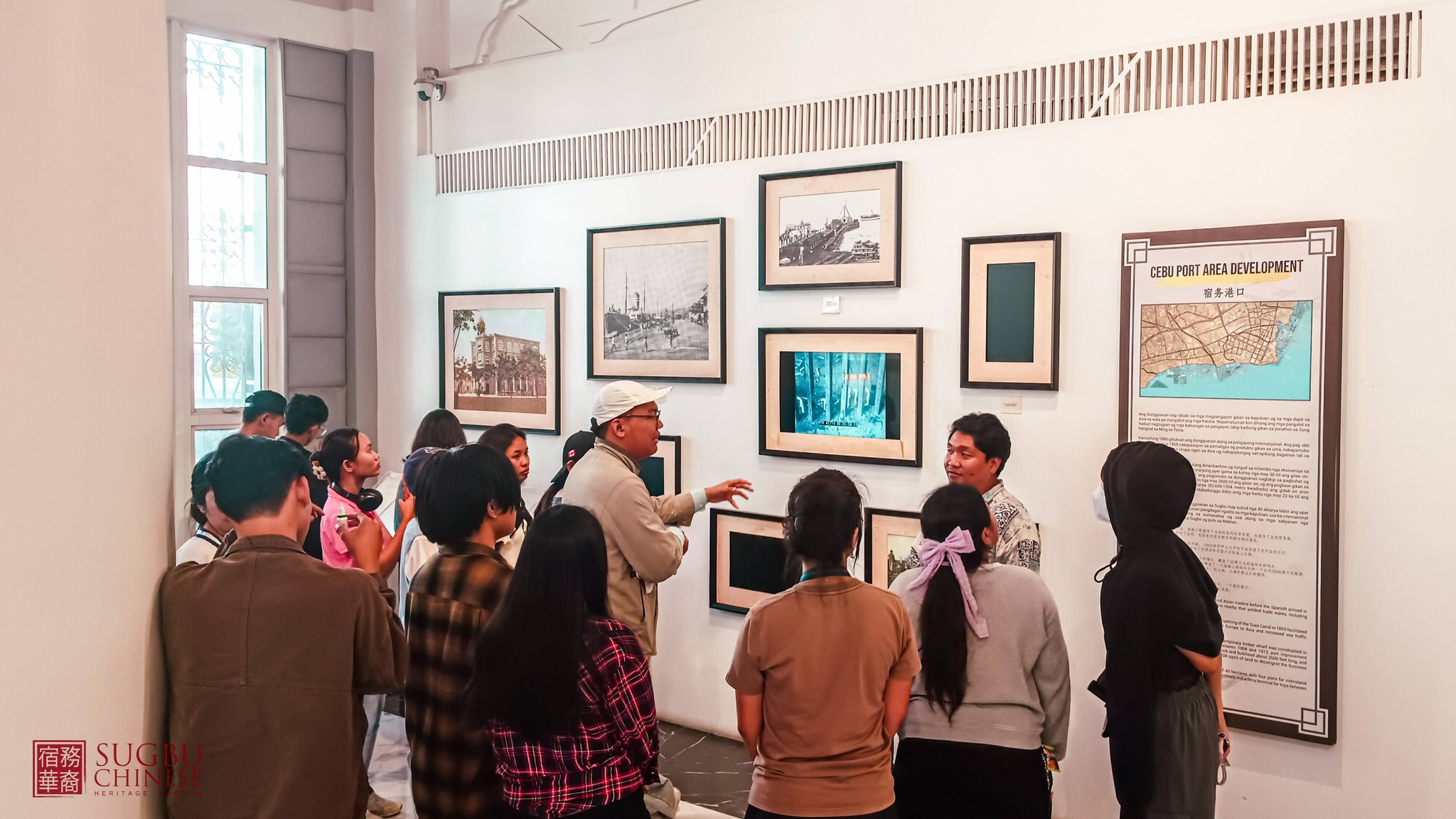 IMAGE from Sugbu Chinese Heritage Museum’s Facebook page
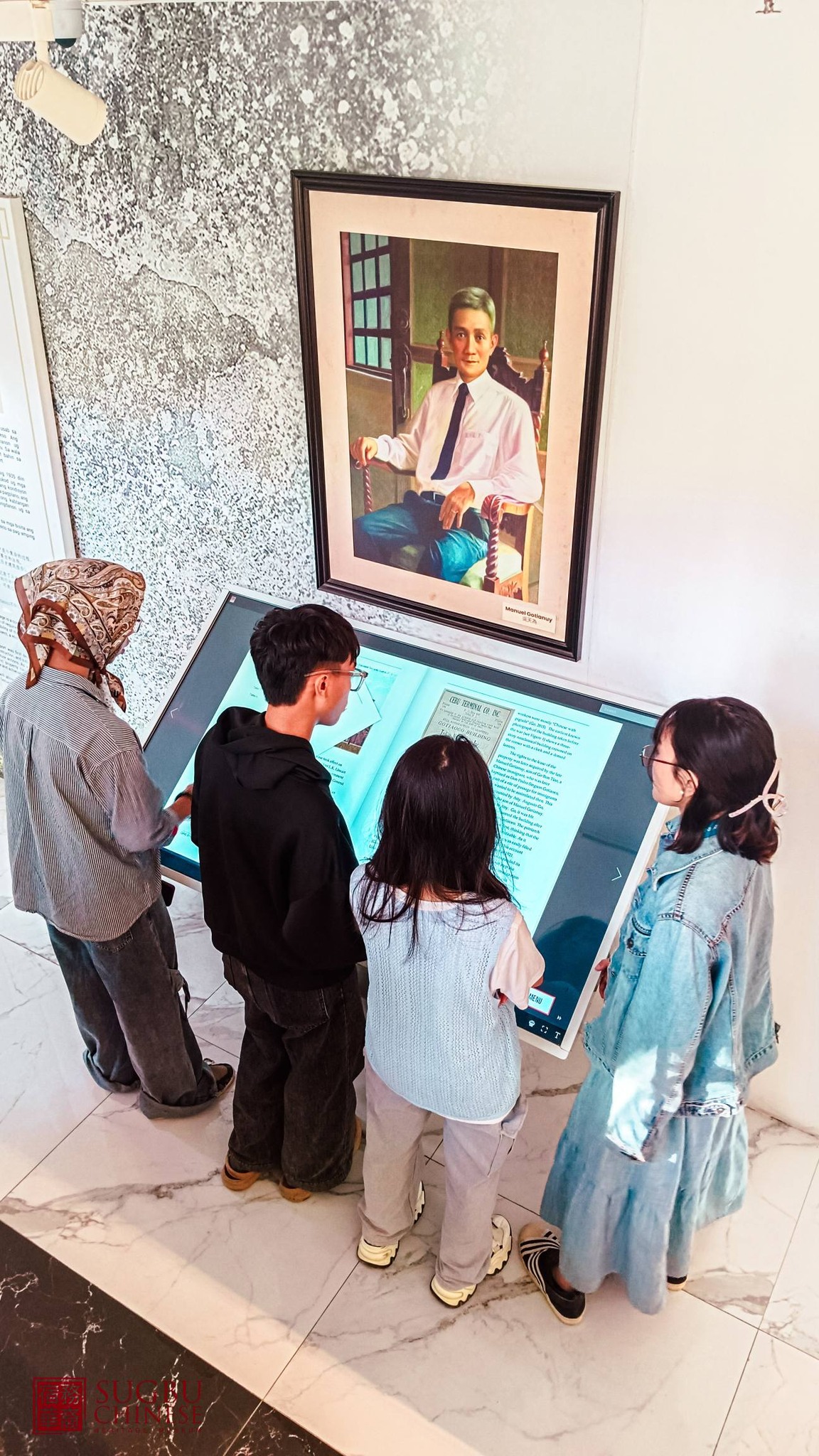 IMAGE from Sugbu Chinese Heritage Museum’s Facebook page
Its growing collection includes Chinese antiques, ceramics, artworks, textiles, tools, oral histories, and other pieces that tell stories of trade, migration, community life, and cultural exchange between China and Cebu.
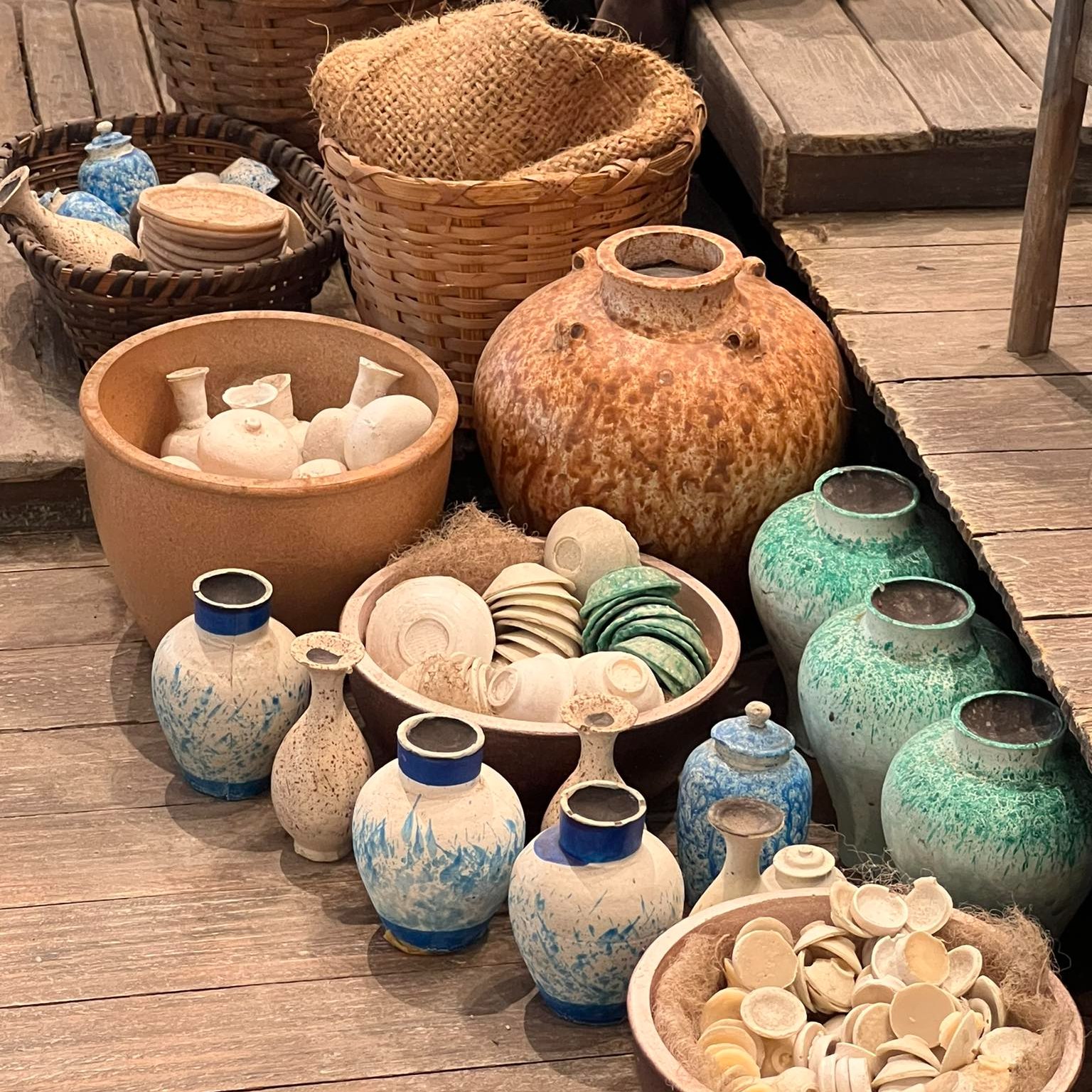 IMAGE from Sugbu Chinese Heritage Museum’s Facebook page
For travelers exploring Cebu’s heritage sites, Sugbu Chinese Heritage Museum offers more than a walk through exhibits. It is a quiet yet compelling reminder of how Chinese and Cebuano histories have long intersected—through commerce, family, faith, food, and everyday life—forming a shared heritage that continues to shape the city today.
General Information