

National Museum of the Philippines – Cebu: A Heritage Landmark Showcasing Cebuano History and Culture
Set in Cebu City’s port and heritage district, the National Museum of the Philippines – Cebu offers travelers a deeper look into the island’s natural wonders, archaeological treasures, maritime culture, and artistic legacy. Housed in the former Cebu Customs House, also known as the Aduana Building, the museum stands as both a cultural destination and a historic landmark.
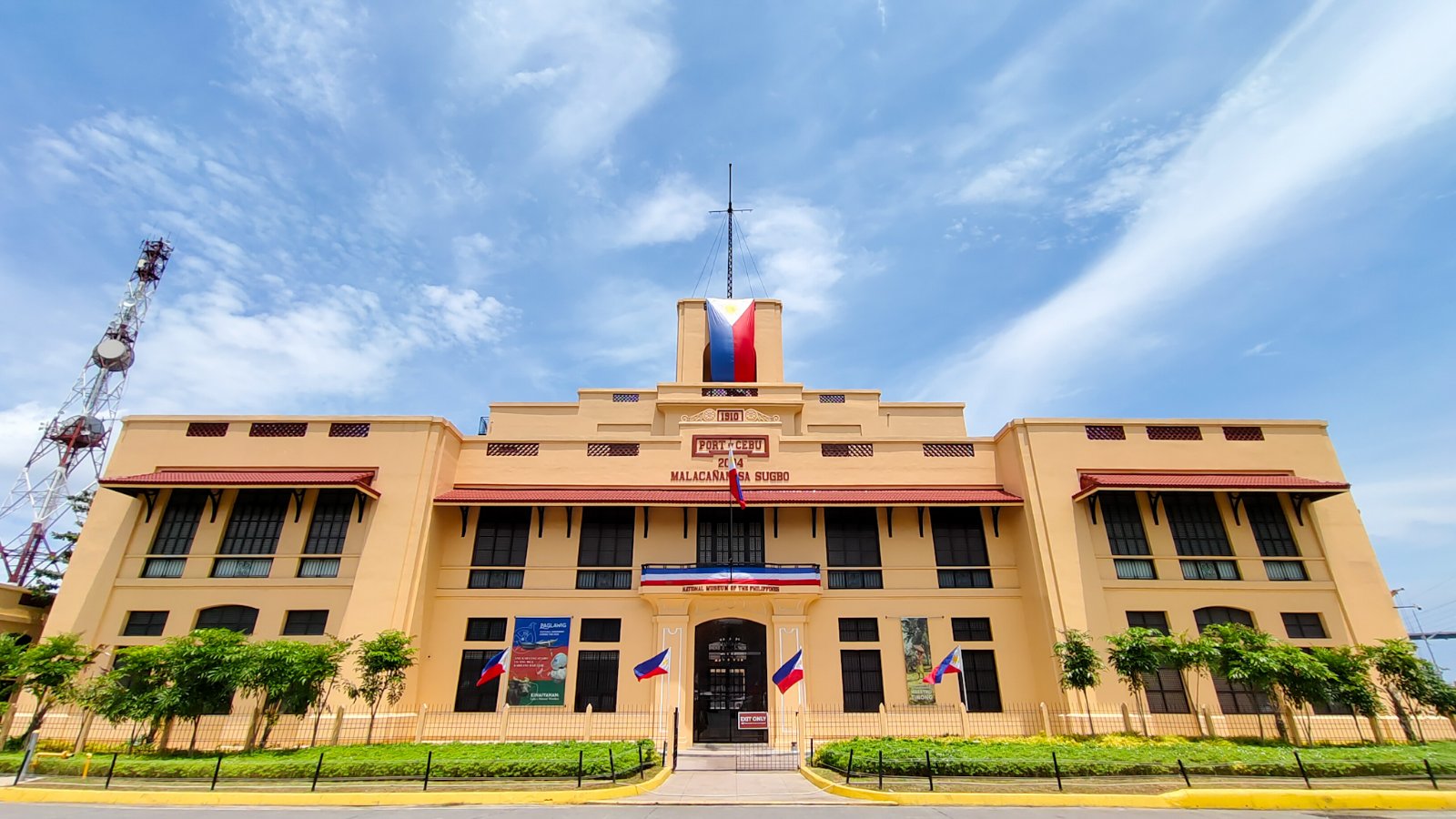 IMAGE from the National Museum of the Philippines – Cebu’s Facebook page
Built in 1910, the structure was designed under the influence of the City Beautiful Movement, following plans developed for Cebu by American architect William Edward Parsons. It originally served as the Cebu Customs House, supporting trade between the island and neighboring communities for 94 years.
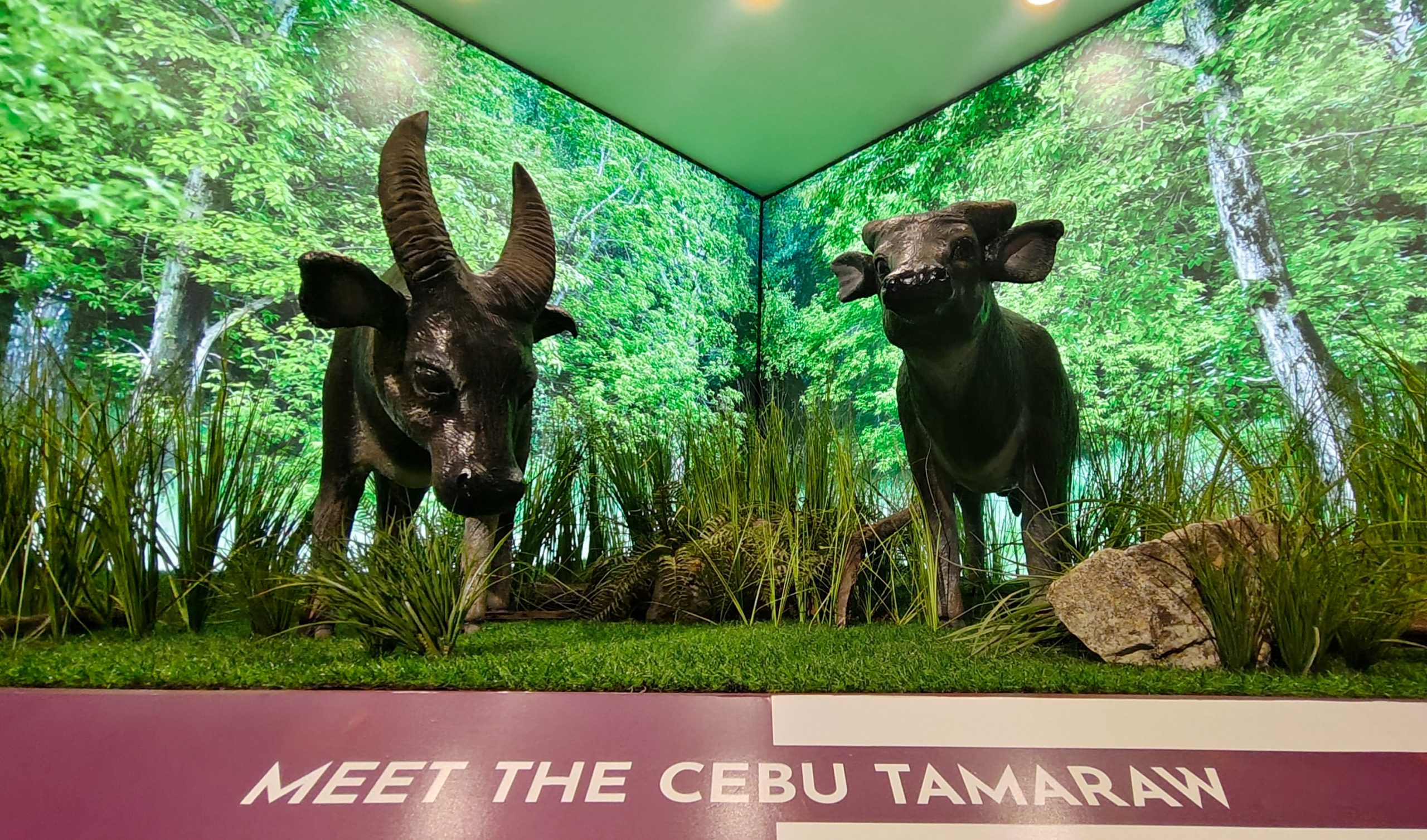 Gallery 1: Kinaiyahan: Cebu’s Natural Wonders / IMAGE from the National Museum of the Philippines – Cebu’s Website
In 2004, it was converted into Malacañan sa Sugbo during the administration of President Gloria Macapagal Arroyo, bringing the presidency closer to the Visayas. After the 2013 earthquake led to its closure, the building was later repurposed into the National Museum of the Philippines – Cebu through a usufruct agreement between the Cebu Port Authority and the National Museum of the Philippines.
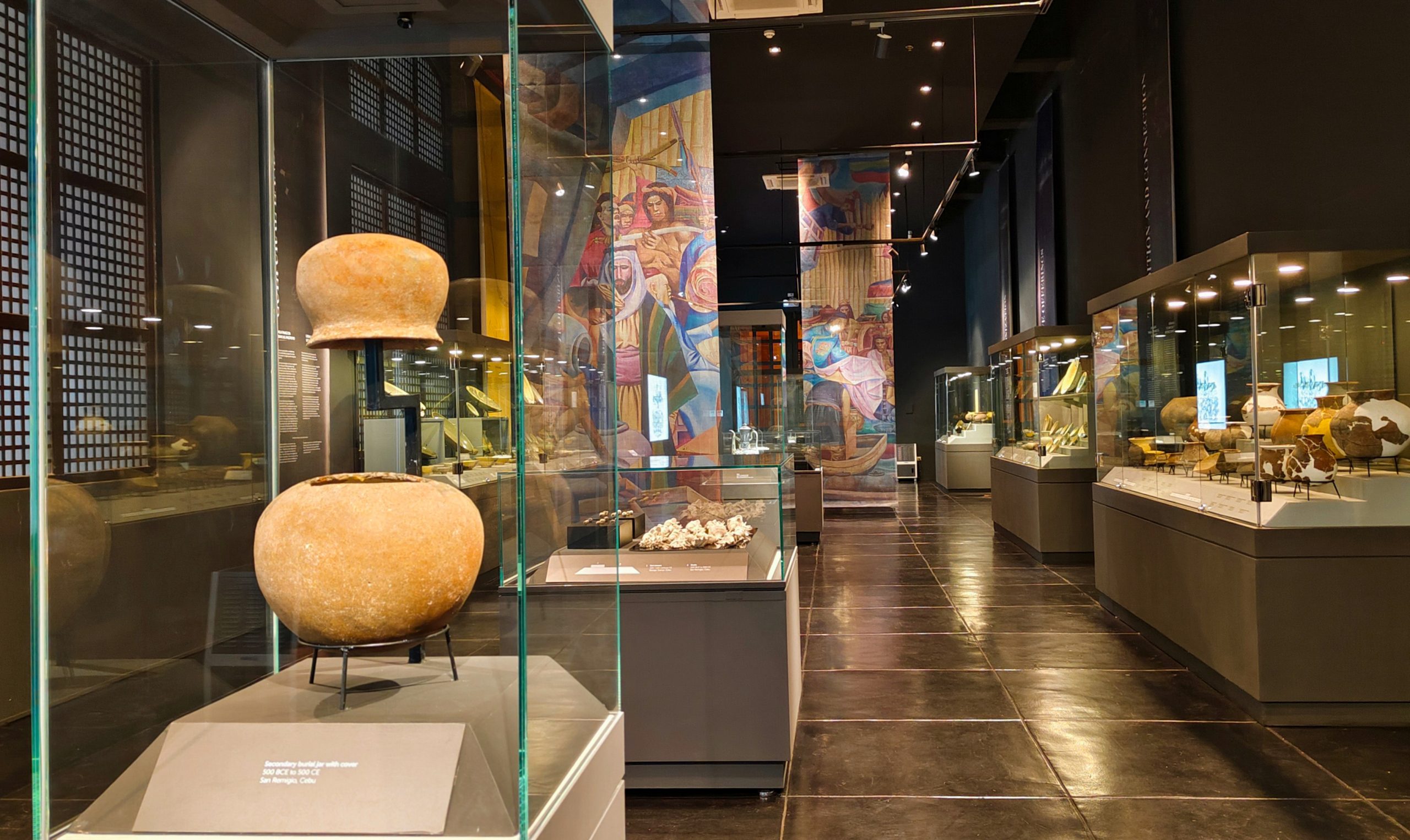 Gallery 2: Ang Karaang Sugbo ug ang Kabiling Bahandi / IMAGE from the National Museum of the Philippines – Cebu’s Website
Today, visitors can explore three permanent galleries on the first floor and two changing galleries on the second floor. Kinaiyahan: Cebu’s Natural Wonders highlights the province’s rocks, minerals, fossils, flora, and fauna, while Ang Karaang Sugbo ug ang Kabiling Bahandi presents archaeological finds from San Remigio, Carcar, Boljoon, and Plaza Independencia. Paglawig: Cultural Movement Across the Seas features shipwreck collections from the 13th to 19th centuries, along with Cebu’s boat-building traditions.
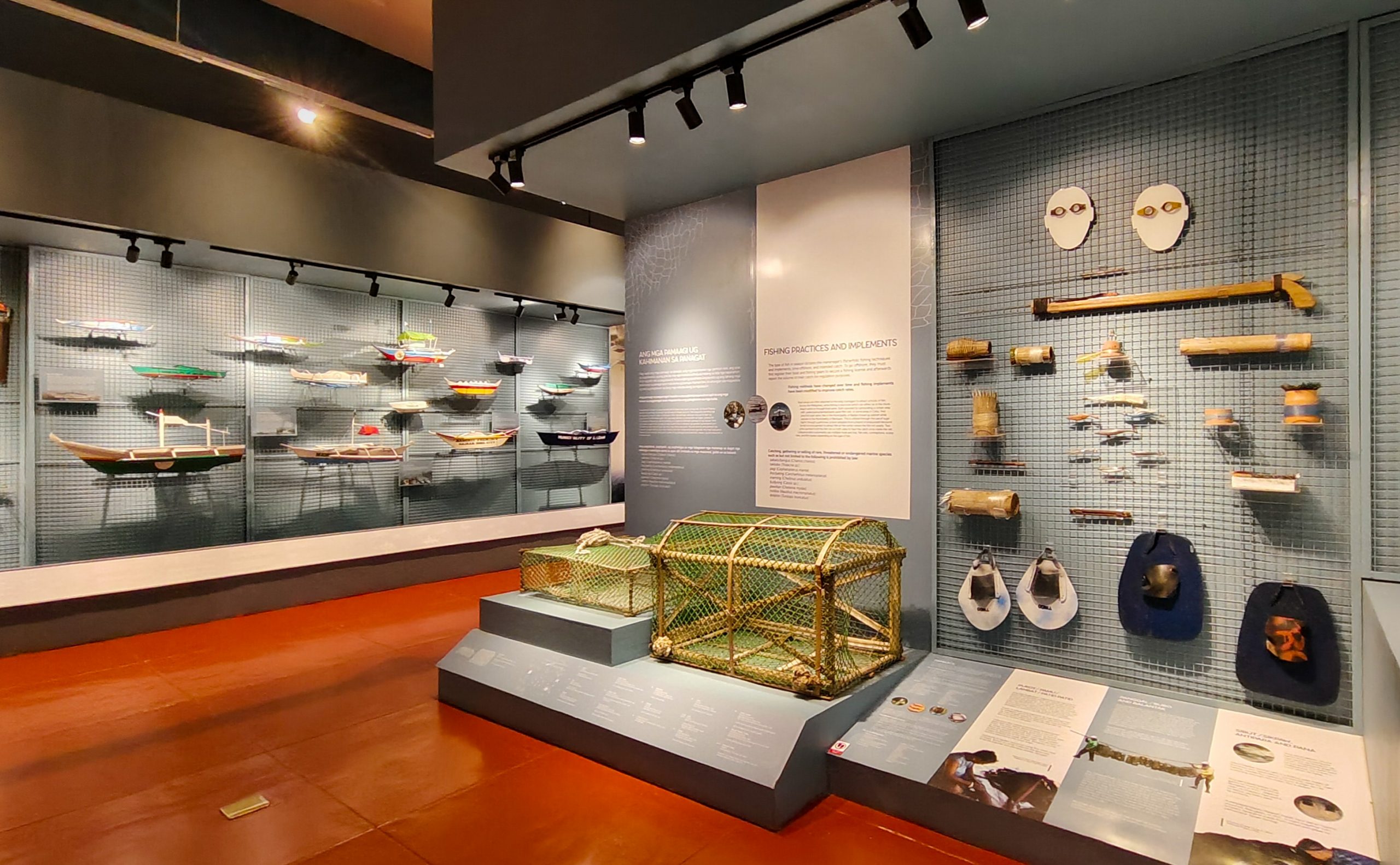 Gallery 3: Paglawig: Cultural Movement Across the Seas / IMAGE from the National Museum of the Philippines – Cebu’s Website
The museum’s changing galleries further enrich the visit through Pagkaing Filipino, featuring Neal Oshima’s photographs of regional cuisine, and Ang Kamamugnaon ug Kinaadman ni Maestro Tinong, which showcases the works of Martino “Tinong” Abellana, the Dean of Cebuano Painters.
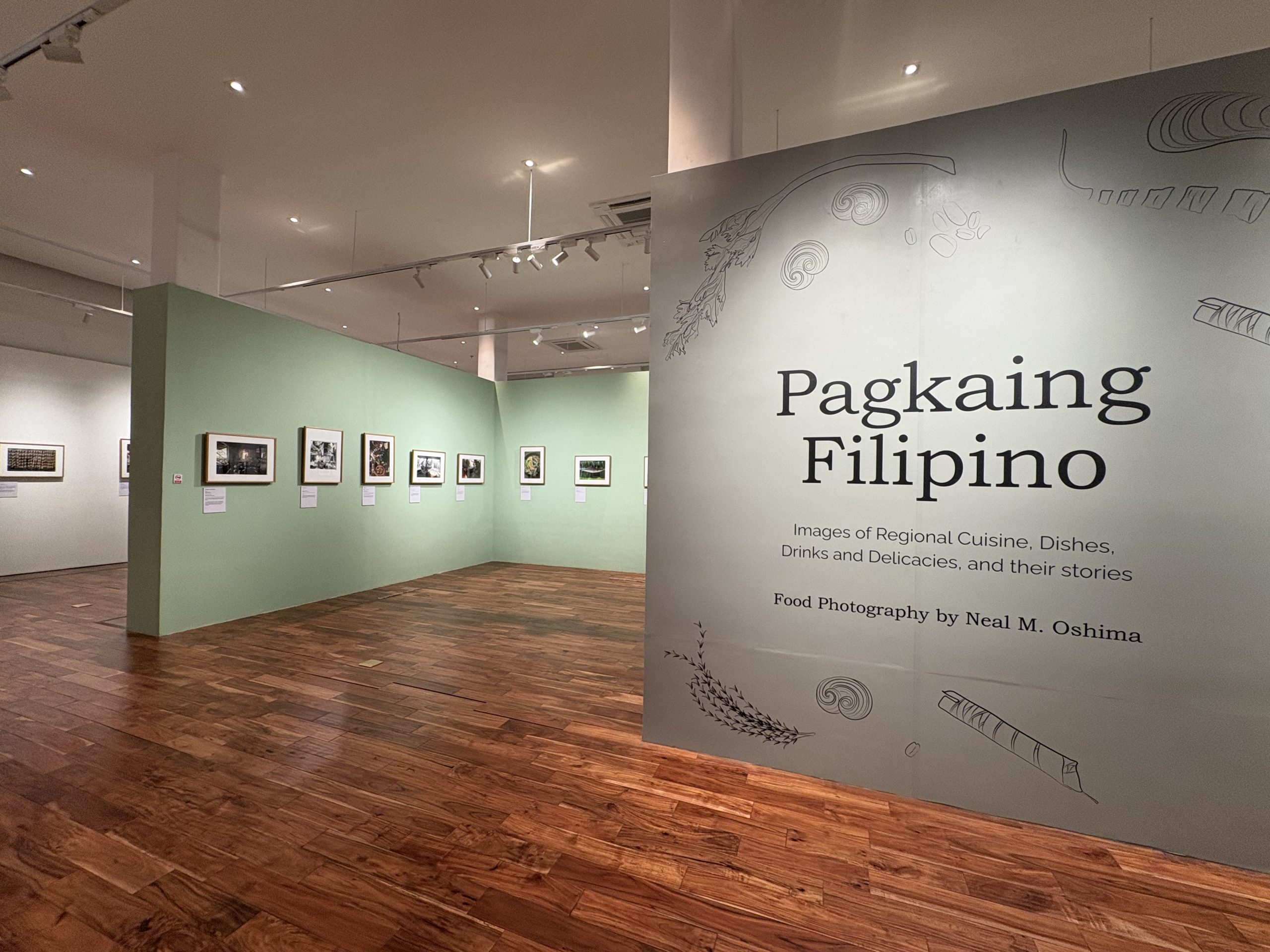 Gallery 4: Pagkaing Pilipino / IMAGE from the National Museum of the Philippines – Cebu’s Website
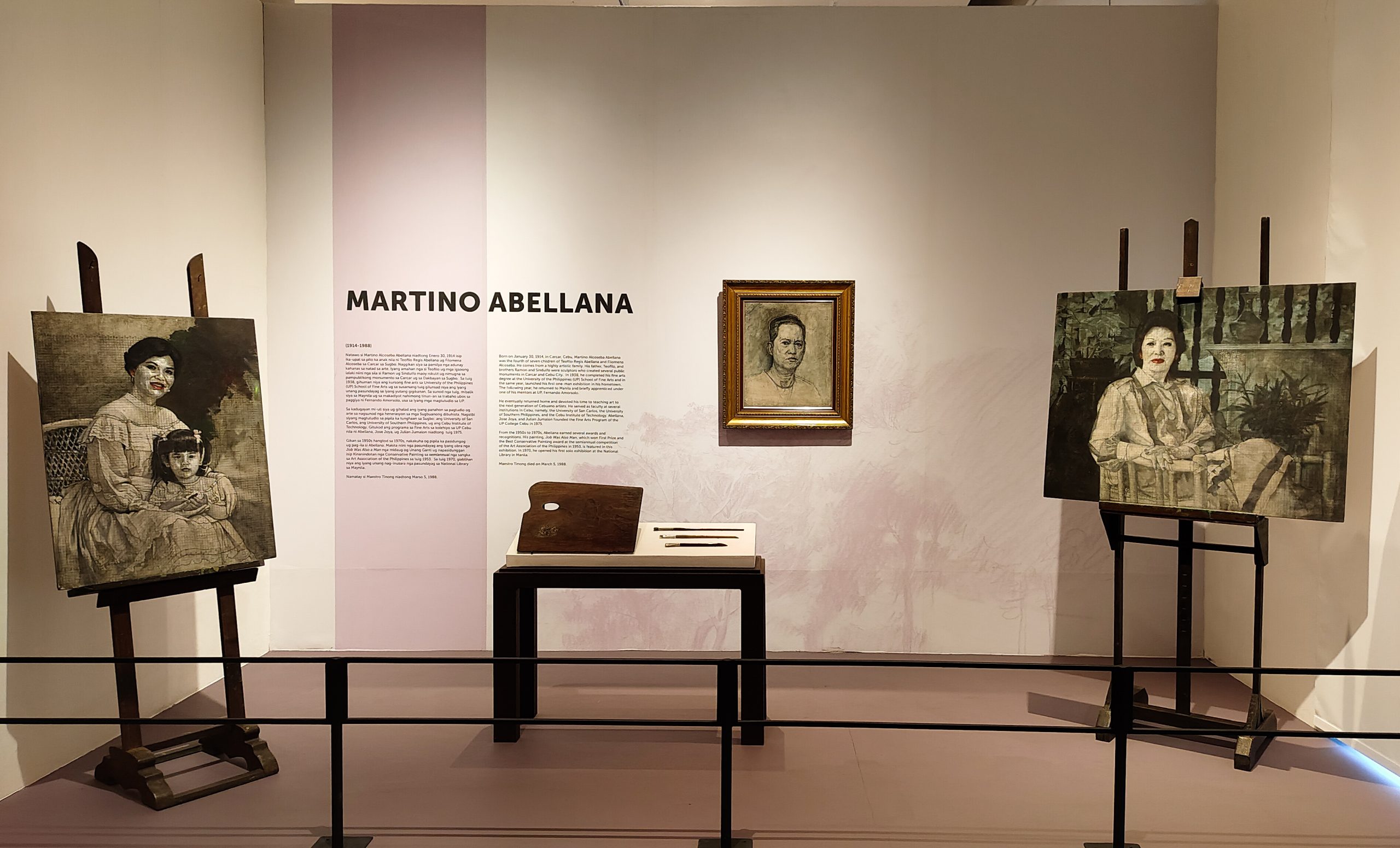 Gallery 5: Ang Kamamugnaon ug Kinaadman ni Maestro Tinong / IMAGE from the National Museum of the Philippines – Cebu’s Website
General Information